

Gur, sakkar and misri – jaggery and rock sugar
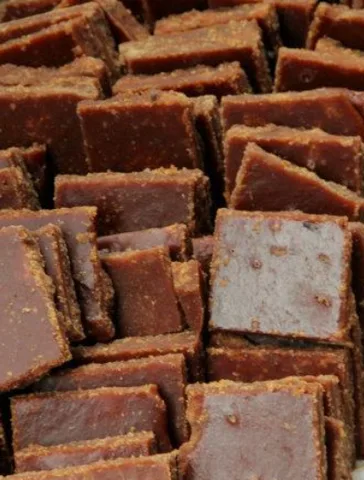
Gur (jaggery) is unrefined cane sugar: the cane juice is boiled down until it sets. The result is a golden-brown block with a taste of caramel and molasses. Sakkar is the same sweetness as… 6 Products
6 of 6 products
Gur, sakkar and misri – jaggery and rock sugar
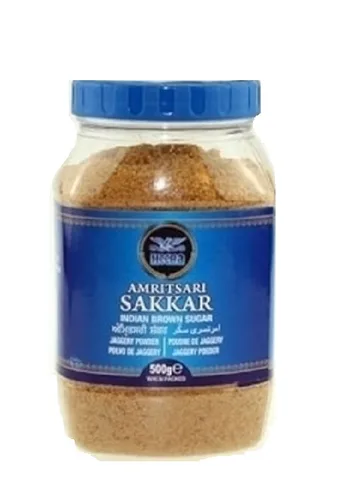
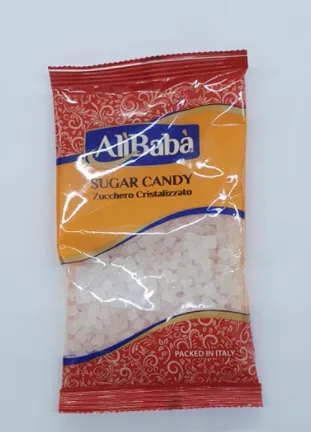
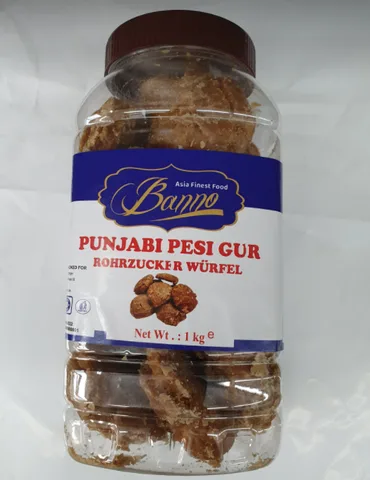
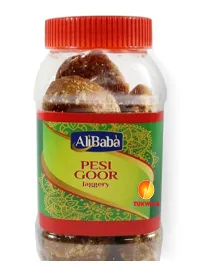
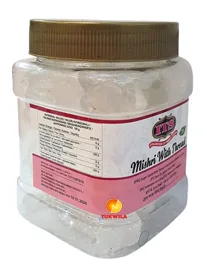
Gur (jaggery) is unrefined cane sugar: the cane juice is boiled down until it sets. The result is a golden-brown block with a taste of caramel and molasses. Sakkar is the same sweetness as a loose powder, and misri are clear sugar crystals, i.e. rock sugar.
At Tukwila you find Punjabi Pesi Gur in whole pieces and as small balls, Sakkar as powdered jaggery and Misri as crystals and as thread misri. Khejurer patali gur (nolen gur, made from date palm sap) is a seasonal item from our Dresden store.
Gur belongs in kheer and payesh, in mithai and in chai.
Using and storing gur
- In chai: stir gur into the finished tea at the end. Boiled for long with milk, it can make the milk curdle.
- For sweets: grate or chop the block so it dissolves faster. Sakkar can be measured straight from the bag.
- Misri: as rock sugar in tea, for sweetening drinks, or after a meal together with fennel seeds.
Storage: gur attracts moisture; keep it dry and airtight. If it hardens, grate it or warm it briefly.
Frequently asked questions
What is the difference between gur and sakkar?
Both are unrefined cane sugar. Gur is pressed into blocks or balls; sakkar is the same sugar as a free-flowing powder.
Can I replace gur with brown sugar?
For sweetness, yes, but the flavour is flatter. Gur tastes much more strongly of caramel and molasses.
What is misri?
Misri is rock sugar made of large, clear sugar crystals. Thread misri is crystallised on a string.