

Kheer, phirni and payesh
Rice, milk, sugar and cardamom are all it takes to make one of South Asia's oldest desserts. In North India and Pakistan it's called kheer, in Bengal payesh, and in South India payasam.… 7 Products
7 of 7 products
View

Kheer, phirni and payesh
Rice, milk, sugar and cardamom are all it takes to make one of South Asia's oldest desserts. In North India and Pakistan it's called kheer, in Bengal payesh, and in South India payasam. Phirni, or firni, is its silkier sister made with ground rice and traditionally set in little clay bowls.
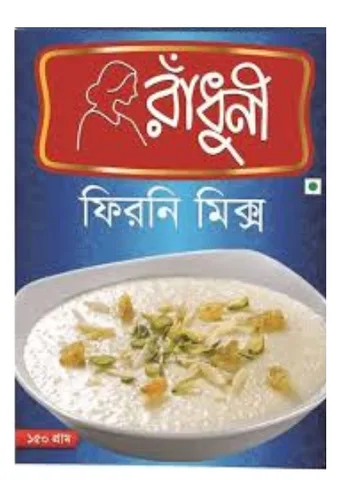
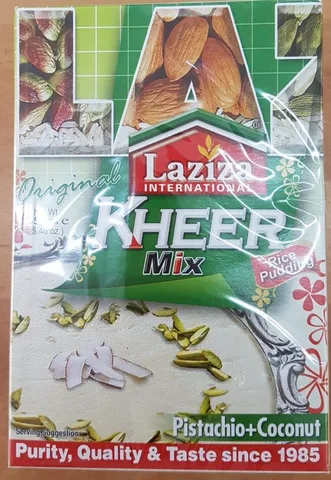
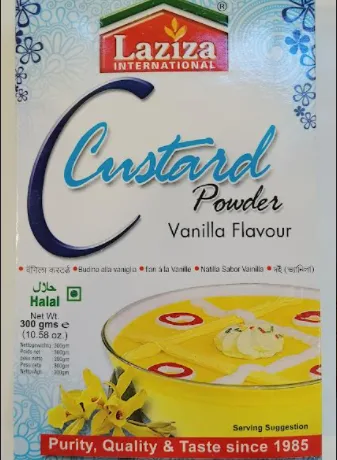
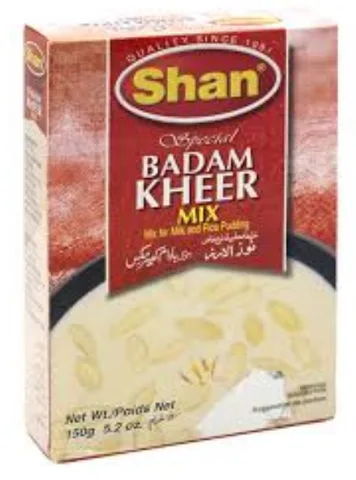
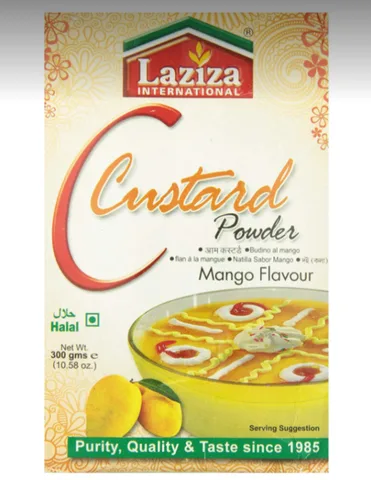
When time is short, reach for Laziza kheer mix or our plain kheer mix, Radhuni phirni mix, or custard powder in vanilla, mango, banana and strawberry, which is the go-to for fruit custard and trifle. All you need is milk and a few minutes at the stove.
Prefer the traditional route? Make payesh with a fragrant short-grain rice such as chinigura or gobindobhog, or swap the rice for fine semai to make seviyan kheer. More instant mixes are in ready meals.
Making payesh at home
For four servings, rinse 50 g chinigura rice and soak it for 20 minutes. Bring 1 litre of whole milk to the boil with 2–3 cardamom pods and a bay leaf, add the rice and simmer on a low heat for 30–40 minutes, stirring often, until the milk is thick and creamy. Only then add 60–80 g sugar or grated patali gur; stir gur in after you've switched off the heat so the milk doesn't split.
- Use a heavy-based pan so nothing catches on the bottom.
- Finish with chopped pistachios, almonds and raisins.
- Pour phirni into small bowls and chill for at least 2 hours to set.
A spoonful of mango pulp turns it into a fruity summer dessert. For festivals, kheer fits right in with our Eid sweets ideas.
Frequently asked questions
What's the difference between kheer and phirni?
Kheer is made by simmering whole grains of rice in milk, so it's creamy with soft grains running through it. For phirni the rice is coarsely ground first, giving a smooth, set pudding that is chilled in small bowls.
Which rice should I use for payesh?
In Bengal the classic choice is a small fragrant rice such as gobindobhog or chinigura, which releases plenty of starch and smells wonderful. Broken basmati works well too. Long-grain basmati gives a less creamy result but will do at a pinch.
How do I make a kheer mix?
Usually you stir the contents into boiling milk and let it simmer for a few minutes, stirring, until it thickens. The exact amount of milk and the cooking time are printed on the pack. It firms up a little more as it cools.
Can I make kheer the day before?
Yes, kheer and phirni are perfect for making ahead. Covered in the fridge they'll keep for a day or two. Kheer thickens as it sits, so simply stir in a splash of cold milk before serving.