Loose tea, bags and CTC: compare how you brew
Loose tea and tea bags describe formats; CTC describes processing. Choose for your brewing method and compare declared quantities without treating format as a quality score.
Format and processing are different questions
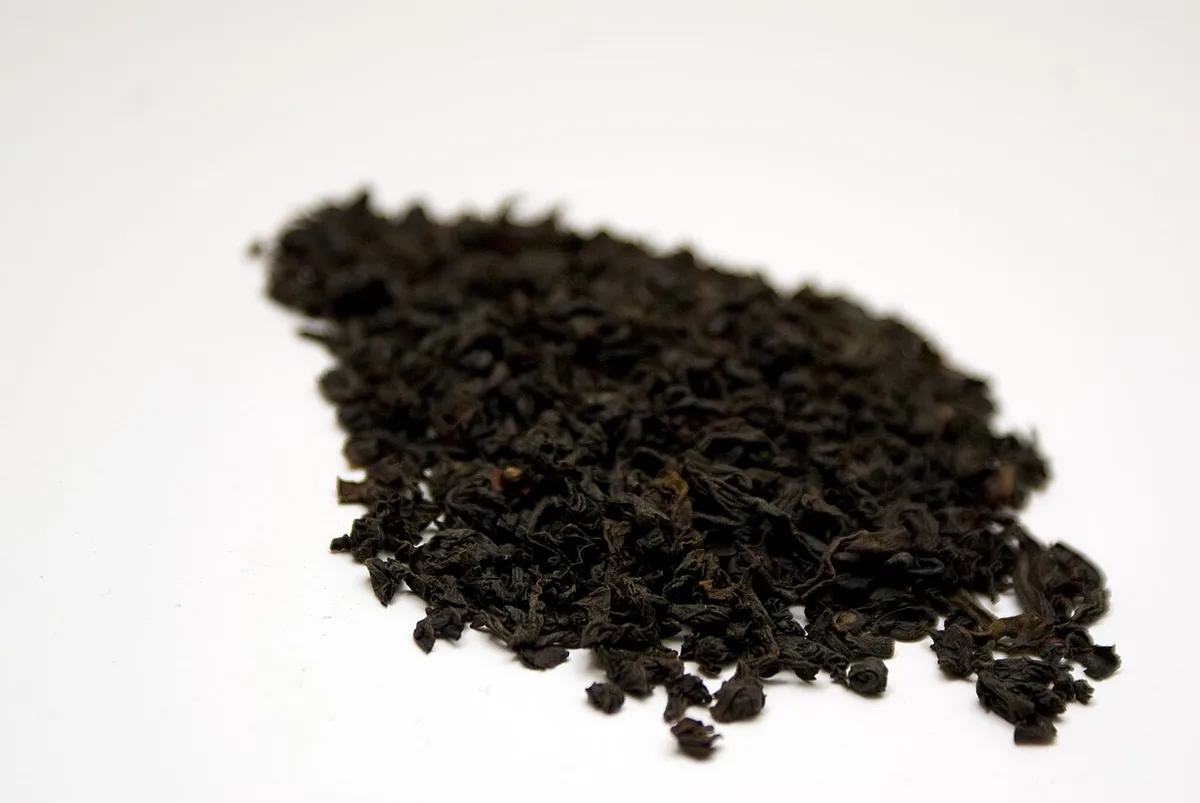
CTC stands for crush, tear and curl, a processing method that produces small tea particles. It is commonly used for strong milk-tea blends. Loose describes tea sold without individual bags; it does not necessarily mean large whole leaves. A tea can be both loose and CTC.
Choose the brewing method first. A saucepan recipe for milk tea, a teapot infusion and a cup made with one bag need different practical arrangements. Follow the chosen tea's instructions rather than applying one brew time to every black or green tea.
Compare what you will actually brew
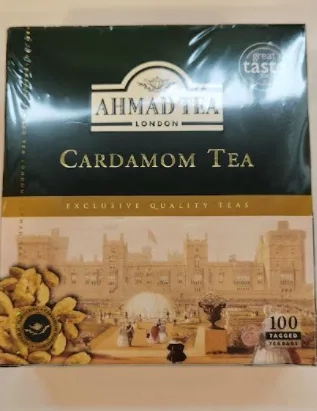
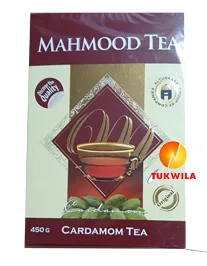
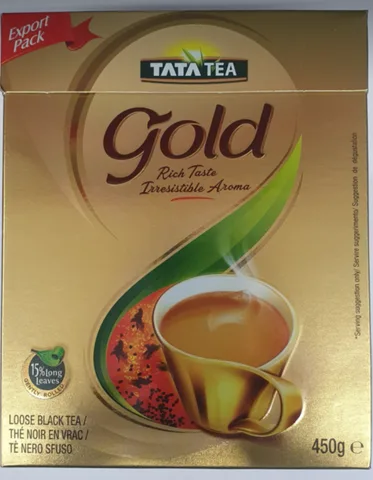
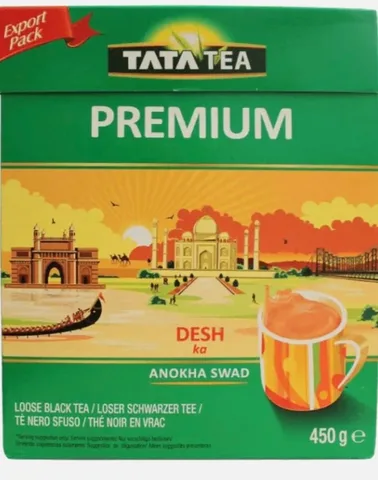
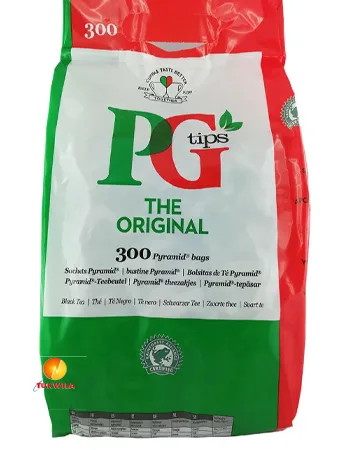
For loose tea, compare net grams and the amount your method uses per pot. For tea bags, check both the bag count and total net weight. Twenty bags with one fill weight need not equal twenty bags from another pack.
An illustrative calculation: if you use 4 g per pot, a 100 g pack supplies 25 such pots. This is arithmetic, not a recommended universal dose. Use your own measured amount to estimate how long a pack will last.
Keep flavours explicit
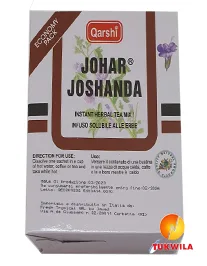
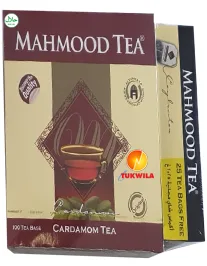
Cardamom tea, plain black tea and a sweetened instant chai powder are not the same product. Read whether spices, milk ingredients, sugar or other components are already included. A photograph of milky chai does not show that milk is inside a plain tea packet.
Start with a smaller pack for an unfamiliar blend. Once the brewing method suits you, compare larger packs and keep them closed away from steam and strong cupboard odours. Our masala chai guide covers a preparation route; browse chai and tea for current formats and check the exact package before reordering.
Sources and label checks
Frequently asked questions
Does loose tea always mean whole leaves?
No. Loose is a packaging format; check the stated tea type and processing.