Guides & recipes
Mustard oil: how to use it in your kitchen
Choose Save as PDF in the print dialog to keep a copy.
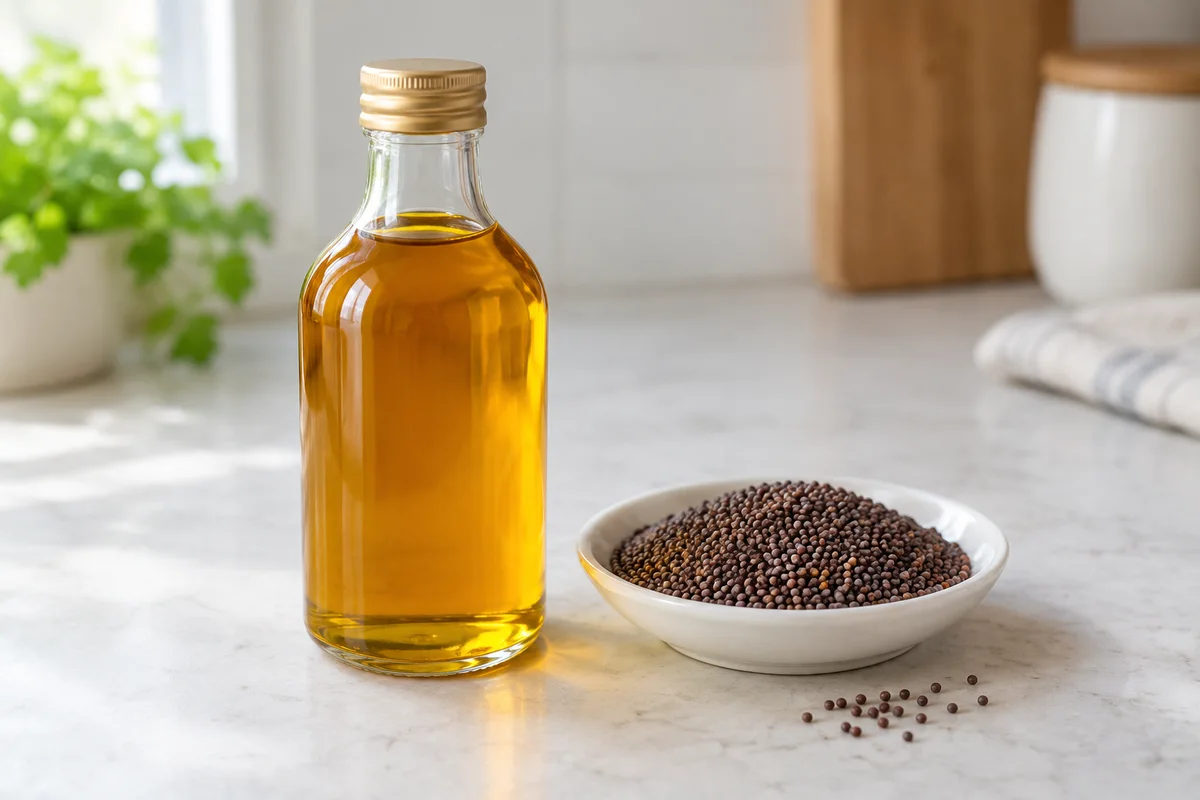
Choose a clearly labelled food oil, follow its heating instructions and keep homemade preservation separate from everyday cooking. Here is what to check before using mustard oil.
On this page
Read the bottle before choosing a recipe
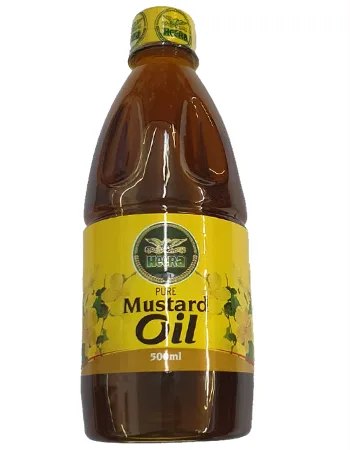
Mustard oil appears in Bengali and other South Asian recipes, but not every bottle sold under that name is a food. For cooking, choose only a product explicitly sold and labelled for food use. A bottle marked for external use is not a cooking ingredient. If the purpose or directions are unclear, resolve that with the seller or manufacturer before using it.
Check the actual ingredients and allergen information as well as the front name. Keep the original label, date and batch details when moving the bottle to your cupboard. Do not copy an edible-use claim from one brand to another.
Heat according to the product, without deliberately making it smoke
Choose an oil suitable for your cooking method and follow its instructions. Do not use smoke as a preparation target. If oil starts smoking, stop heating and allow it to cool safely. Heating harder is not a way to make a non-food product suitable for eating.
For a fish recipe or a cooked spice tempering, use the fat and method specified by a reliable recipe. Keep spices ready before heating so they can be added at the right stage without leaving the pan unattended.
Four practical shopping decisions
- For a cooked curry, check that the oil is a food product suitable for the intended heating.
- For an uncooked dressing or bhorta, use only a food product whose directions permit that use.
- For occasional cooking, compare a smaller bottle with the amount your next recipes need.
- For a ready condiment, a labelled commercial pickle or kasundi is a different purchase from a bottle of oil.
Browse mustard oil, panch phoron and achar only after deciding which ingredient your dish needs.
Do not improvise shelf-stable oil pickles
Covering fruit, vegetables, garlic or herbs in oil does not by itself make them safe for cupboard storage. This guide does not provide a home-preserving process. Use a validated preservation method from an appropriate authority, or buy a commercial product and follow its opening instructions. Do not leave an improvised mango-and-oil jar to mature for a week based only on a seasoning list.
Store the actual product as directed
Follow the bottle's storage and opening instructions, close it after use and keep it away from cooking heat. Do not assign every oil the same opening period or assume leftover frying oil is suitable for reuse for several days. Keep food oils and external-use products clearly separate.
Sources
Frequently asked questions
Should I deliberately heat oil until it smokes?
No. Follow the oil’s suitability and heating instructions; smoke is not a preparation target.
Can an external-use bottle be used in food?
Use only a product explicitly sold and labelled for food use. Resolve unclear labelling before use.