Desi pantry starter list: what to buy first
Just moved to Germany and staring at empty kitchen cupboards? This list gets you a working pantry, so you can cook dal and rice, roti with sabzi or a weekend curry straight away. We've split it into a Bengali and a Pakistani and North Indian kitchen, with rough quantities for two people for one month. Treat the numbers as a starting point and adjust as you go.
The idea: a few basics, chosen well
A common first-shop mistake is buying lots of ground spices and not enough staples. Flip it round. Rice, flour, two or three kinds of dal, a good cooking oil and around ten spices will carry you through the first few weeks. Ready-made blends and snacks can come later, once you know what you actually cook most often.
The amounts below assume two adults cooking one hot meal a day. Feeding a family or a shared flat? Double the rice, atta and dal; the spice quantities can stay much the same, because spices go further than most people expect.
Bengali pantry (two people, one month)
Rice and flour
- 5 kg everyday rice, such as broken basmati or another long-grain rice
- 1 kg chinigura or gobindobhog for polao, khichuri and payesh
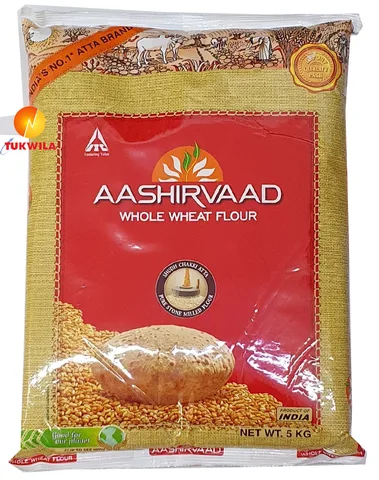
- 2 kg atta for ruti, plus 500 g besan for beguni and piyaju
- 500 g muri for an afternoon jhal muri
Dal
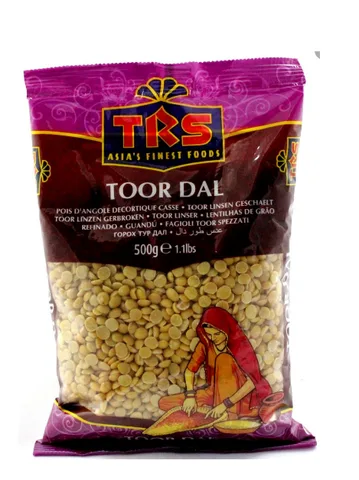
- 1 kg masoor dal (red lentils), the quickest everyday dal
- 1 kg moong dal for bhaja muger dal
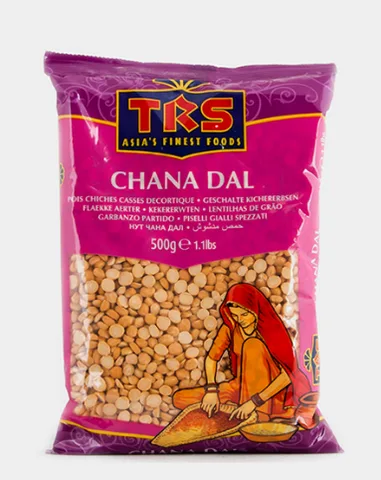
- 500 g chana dal for a festive cholar dal
Spices
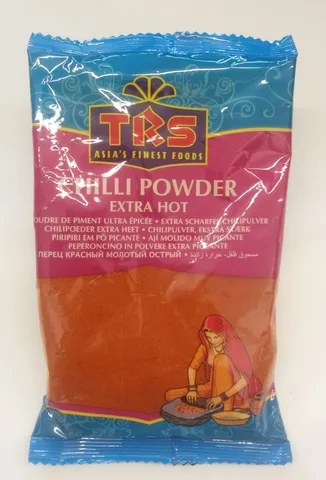
- 200 g each of holud (turmeric), morich (chilli powder) and dhonia (ground coriander)
- 100 g whole cumin and 100 g ground cumin
- 100 g panch phoron and 100 g kalonji (nigella seeds)
- 50 g each of green cardamom, cinnamon and cloves, plus a pack of bay leaves (tej pata)
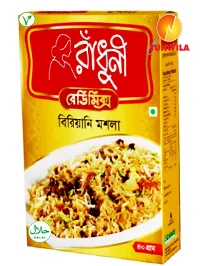
- One packet of a recipe mix, for example a Radhuni biryani masala, for your first dinner with guests
Oil, fat and condiments
- 1 litre mustard oil (labelled as edible oil) and 1 litre neutral oil
- 500 g ghee for polao and sweets
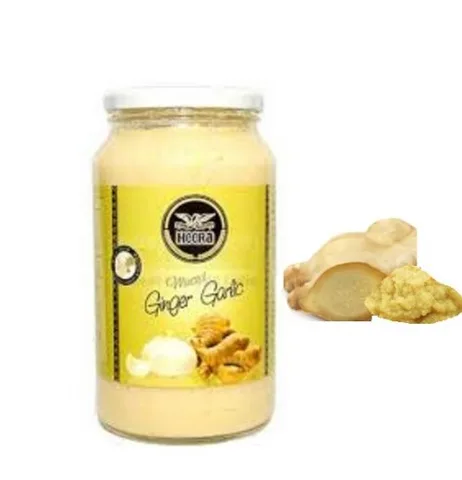
- A jar each of ginger-garlic paste, kasundi and achar
Tea and snacks
- 500 g black tea, two packs of chanachur and a packet of tea biscuits
Pakistani and North Indian pantry (two people, one month)
Rice and flour
- 5 kg atta – if roti is on the table every day, this is your most important ingredient
- 5 kg basmati, ideally sella for biryani and pulao
- 500 g besan for pakoras and kadhi
Dal and pulses
- 1 kg each of masoor, moong and chana dal
- 500 g urad dal (mash ki daal)
- 1 kg chickpeas for chana and chole, and 500 g kidney beans for rajma
Spices
- 200 g each of lal mirch (chilli powder), haldi and ground dhania
- 100 g whole zeera and 100 g garam masala
- 50 g each of green and black cardamom, cinnamon, cloves and black peppercorns
- Four or five Shan mixes for the classics: biryani, karahi, korma, nihari or haleem
Oil, fat and condiments
- 2 litres cooking oil and 500 g ghee
- A jar of ginger-garlic paste and a jar of mango or mixed achar
Tea, drinks and snacks
- 500 g black tea, such as Tapal, for doodh patti
- A bottle of Rooh Afza, a packet of biscuits and some namkeen
German names that help when shopping
German supermarkets label many ingredients differently, and a few names are misleading. Kreuzkümmel is cumin (jeera), while plain Kümmel is caraway – a completely different flavour. Schwarzkümmel is kalonji. Kichererbsenmehl is roughly besan, Bockshornklee is methi and Grieß is suji. Plain yoghurt for raita and marinades is everywhere; full-fat (3.5 %) is less likely to split when cooked. In a pinch, halloumi can stand in for paneer, though it is saltier.
A sample week from this pantry
Monday masoor dal with rice and aloo bhaji, Tuesday chana with roti, Wednesday fish curry, Thursday khichuri with a fried egg, Friday karahi with naan, and biryani or polao with korma at the weekend. Cooking like this uses your stores evenly and quickly shows you what needs restocking most often.
What to buy fresh every week
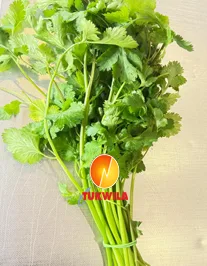
Onions, tomatoes, green chillies, ginger, garlic, fresh coriander and mint go into almost everything. Add the vegetable of the week: okra, bitter gourd, lauki, parwal or arbi. If you live in Dresden, you'll find all of this at our shop on Bautzner Straße 16, open Monday to Saturday, 10:30–20:00. Fresh halal meat is cut to order, and you can order it by WhatsApp.
Ordering online: how shipping works
Outside Dresden, everything from our online shop comes to your door with GLS, anywhere in Germany. Shipping costs €5.49 and is free on orders from €39.99, which a pantry order like this will usually pass. Chilled and frozen goods such as fish or paratha are sent Monday to Wednesday in an insulated box, with a €9.99 cool-box fee. You can pay by card or with Klarna.
Five tips for getting started
- Whole before ground. Whole cumin, coriander and cardamom keep their aroma far longer than powders. Grind small amounts yourself.
- Set up a masala dabba. A round spice tin with seven little bowls for your daily spices saves a lot of rummaging at the hob.
- Decant big bags. Rice, atta and dal belong in airtight tubs, away from moisture and pantry moths.
- Label everything. Write the contents and purchase date on each tub, especially for spices that look alike.
- Start small with extras. Hold off on snacks, sweets and specialist blends until you've worked out your favourite dishes.
Frequently asked questions
What should I buy first for a desi kitchen?
Rice, atta, two or three kinds of dal, turmeric, chilli powder, ground coriander, cumin, a cooking oil and ginger-garlic paste. That covers dal, rice, roti and simple curries. Everything else can be added gradually as you cook more.
Is it worth placing one big order with delivery?
A pantry order usually passes €39.99 quickly, and from that amount GLS shipping is free. You also avoid carrying heavy rice, atta and oil home yourself. Chilled and frozen items add a €9.99 cool-box fee.
How should I store rice, atta and dal?
Move everything from sacks and bags into airtight tubs or buckets and keep them cool, dry and dark. Use atta within a few months; rice and dal keep longer. Check your stores now and then for damp or pantry moths.