Types of dal explained: which lentil for which dish
In South Asia, dal means both the dried pulse and the comforting dish made from it. Masoor, moong, toor, chana and urad can look confusingly alike in the packet, yet they cook in very different ways. This guide sorts them out, with soaking and cooking times, water ratios and a basic recipe you can adapt. Everything mentioned here is in our dal and lentils range, including the much-loved moong dal.
Whole, split or skinned: what the names mean
Most dals come in three forms. Sabut means whole, with the skin on. Chilka means split but still wearing its skin, as in mung chilka or urid chilka. Dhuli means split and skinned; these are the smooth, brightly coloured lentils that break down into a creamy dal. The more skin there is, the longer the cooking time and the more bite the finished dish keeps.
The main types of dal
Masoor dal: red lentils
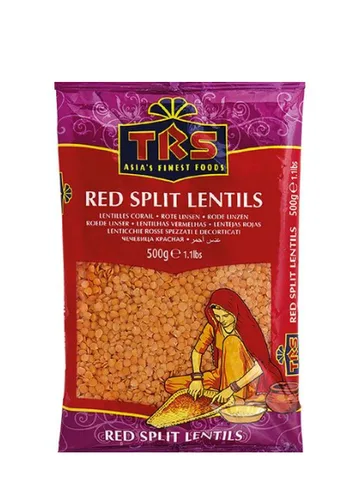
Skinned red lentils are the quickest dal of all. They need no soaking, turn yellow as they cook and collapse into a smooth purée in 15–20 minutes. Whole masoor with its brown skin, such as Suntat Red Lentils whole or TRS Heera Brown Lentils, holds its shape and needs 25–30 minutes. Bengali cooks temper musur dal with panch phoron and mustard oil, while in Turkey the same lentil becomes mercimek çorbası. There is more on our masoor dal and red lentils page.
Moong dal: mung beans
Yellow skinned moong dal is mild, almost sweet, and soft in 20–25 minutes; a 20-minute soak helps if you have time. It is the base for khichdi and for Bengali bhaja muger dal, where the lentils are dry-roasted in a pan until they smell nutty before they go into the pot. Mung chilka with its green skin has a fuller flavour, and whole mung beans are great for sprouting or for a hearty curry.
Toor dal: pigeon peas
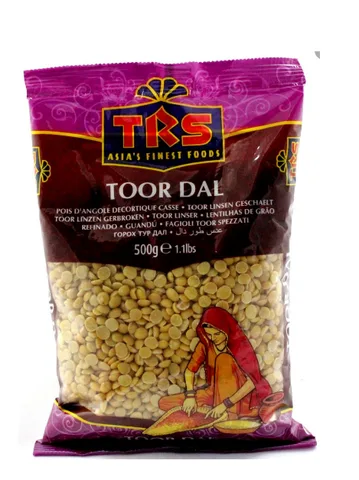
Toor, also called arhar or tuvar, is the everyday dal in much of India. Sambar, Gujarati dal and most restaurant-style dal tadka start here. Rinse it well, soak for 30 minutes and simmer for 30–40 minutes, or give it around 10 minutes under pressure. It turns creamy but has more body than masoor.
Chana dal: split chickpeas
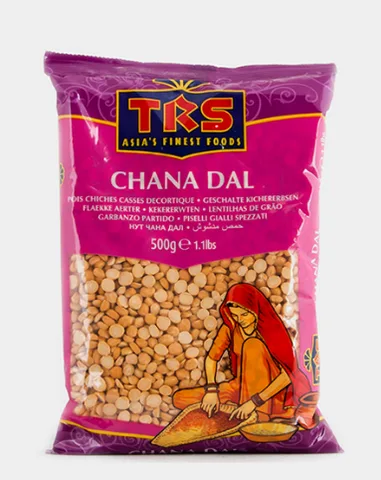
Chana dal is made from small, dark kala chana that have been skinned and split. It tastes nutty and barely breaks down. Soak it for 1–2 hours and allow 40–50 minutes in a pan. Bengali cholar dal with grated coconut and chana dal cooked with bottle gourd are two classics. The same pulse is also ground into besan. See our chana dal page for more.
Urad dal: black gram
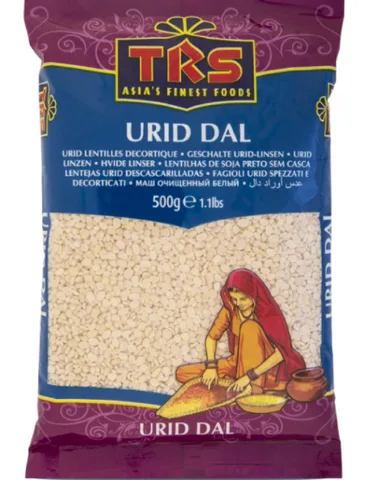
Whole black urad (sold as Urid Beans whole) is the heart of dal makhani and asks for patience: soak overnight, then simmer for 60–90 minutes. Skinned white urad dal is ground for idli and dosa batter and turns silky, slightly gloopy when boiled, which is exactly the texture wanted in Bengali biulir dal. Find recipe ideas on our urad dal page.
Chickpeas, rajma and friends
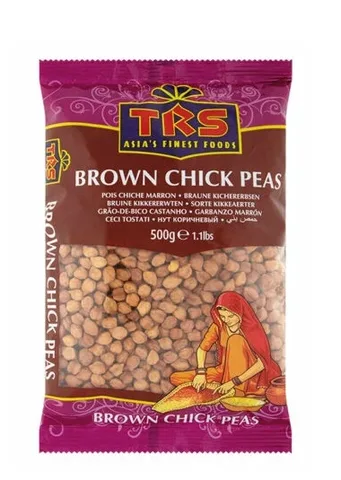
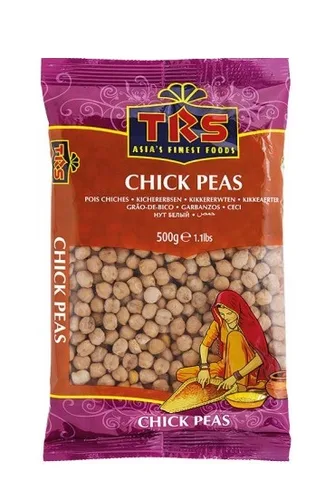
Strictly speaking these are not dals, but they share the shelf: white kabuli chana, brown chickpeas, red kidney beans and black-eyed beans. Soak them for 8–12 hours and simmer for 60–90 minutes. Kidney beans must boil hard for at least 10 minutes. Browse the range under chickpeas and chana.
Cooking times and water at a glance
- Masoor, skinned: no soaking, 1 part dal to 3 parts water, 15–20 minutes
- Moong, skinned: optional 20-minute soak, 1 : 3, 20–25 minutes
- Toor: 30-minute soak, 1 : 3.5, 30–40 minutes (pressure cooker about 10 minutes)
- Chana dal: 1–2 hour soak, 1 : 3.5, 40–50 minutes (pressure cooker 12–15 minutes)
- Urad, whole: overnight soak, 1 : 4, 60–90 minutes (pressure cooker 25–30 minutes)
Ratios are by volume, so one cup of dal to three cups of water. Older lentils take longer, and adding salt towards the end helps them soften evenly.
Basic recipe: dal tadka for four
For the dal: 200 g toor or moong dal (or half and half), 800 ml water, ½ tsp turmeric, 1 tsp salt, 1 chopped tomato.
For the tadka: 2 tbsp ghee or oil, 1 tsp cumin seeds, 2 dried red chillies, 3 garlic cloves thinly sliced, 1 small onion finely chopped, ½ tsp chilli powder, a handful of fresh coriander.
- Rinse the dal in a sieve until the water runs clear, then soak it for 30 minutes.
- Bring it to the boil with the water and turmeric, skim off the foam and simmer, partly covered, for 25–35 minutes until completely soft.
- Add the tomato and salt and cook for another 5 minutes. Give it a quick whisk to make it creamy, adding a splash of hot water if it is too thick.
- For the tadka, heat the ghee, fry the cumin and chillies for 20 seconds, then add the garlic and onion and cook for 3–4 minutes until golden. Take the pan off the heat and stir in the chilli powder.
- Pour the sizzling tadka over the dal, scatter with coriander and serve straight away with rice or chapati.
Regional versions to try
- Bengali musur dal: thin and soupy, tempered with panch phoron, a dried chilli and a little mustard oil.
- Pakistani daal chawal: masoor or moong topped with plenty of fried onion, served with plain rice and achar.
- Punjabi dal makhani: whole urad with a handful of rajma, butter and cream, simmered for hours.
- South Indian sambar: toor dal with tamarind, vegetables and sambar powder.
Keep dry dal airtight in a cool cupboard and it will last a long time. Cooked dal keeps in the fridge for two to three days and thickens as it sits; loosen it with a little water when you reheat it.
Frequently asked questions
Do I need to soak dal before cooking?
Red lentils and skinned moong dal need no soaking. Toor dal benefits from 30 minutes and chana dal from one to two hours. Whole urad, chickpeas and kidney beans should soak overnight, otherwise they take a very long time to cook.
What is toor dal called in English?
Toor dal, also known as arhar or tuvar dal, is skinned and split pigeon peas. It is yellow and slightly larger and flatter than split yellow peas, and you will usually find it in Indian grocery shops rather than regular supermarkets.
Why won't my dal go soft?
Usually the pulses are old, were not soaked long enough or were salted too early. Acidic ingredients such as tomato or tamarind added at the start also slow things down, so stir them in only once the dal is nearly cooked.
How much dal should I cook per person?
For a main course with rice or roti, allow about 50–60 g of dry dal per person. As one of several dishes on the table, 30–40 g is plenty. Dal roughly triples in weight as it absorbs water while cooking.