

Moong dal and mung beans
Moong dal is the quiet workhorse of the lentil shelf. Hulled and split mung beans cook down in 20–25 minutes, need little or no soaking and take on whatever tempering you give them, which… 7 Products
7 of 7 products
View
Moong dal and mung beans
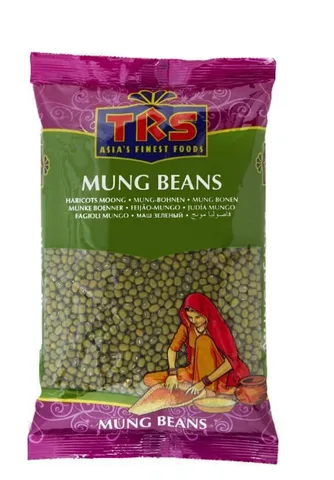
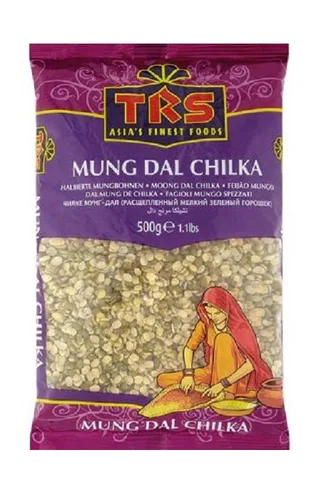
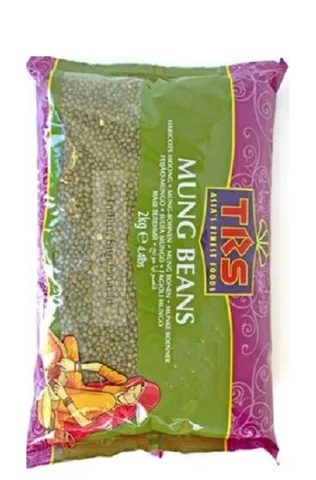
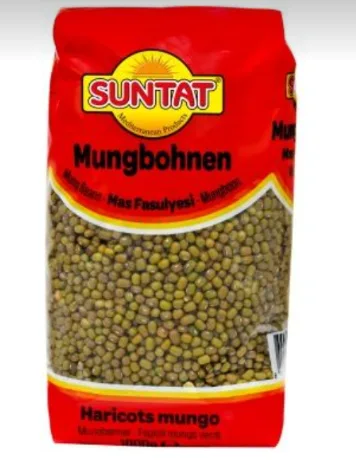
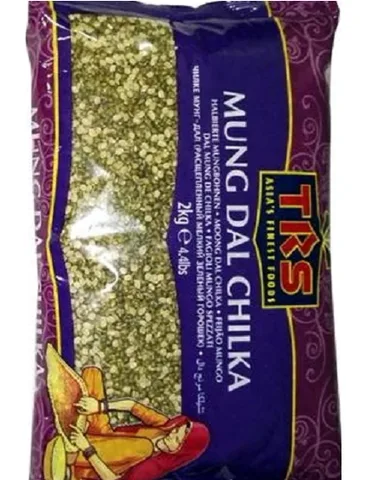
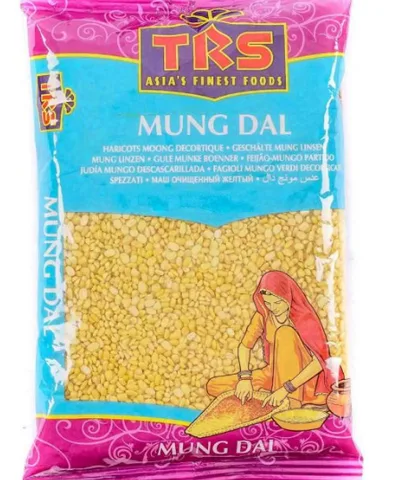
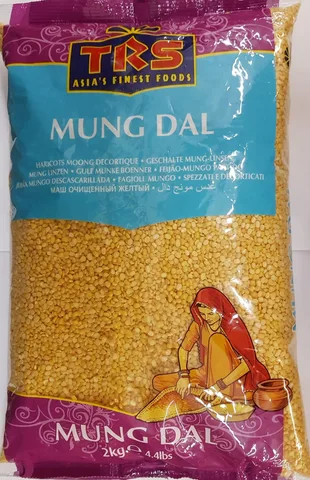
Moong dal is the quiet workhorse of the lentil shelf. Hulled and split mung beans cook down in 20–25 minutes, need little or no soaking and take on whatever tempering you give them, which is why so many households always have a bag open. We carry yellow moong dal from TRS, Heera and Banno in 500 g and 2 kg packs, mung chilka (split with the green skin still on) and whole mung beans for curries or sprouting.
Use yellow moong for khichdi with fragrant rice, a weekday dal tadka with cumin and garlic, or Bengali bhaja muger dal, where the lentils are dry-roasted until nutty before boiling. Chilka gives a heartier, earthier dal, and whole mung makes a good sabut moong curry or a crunchy sprout salad.
All lentils and beans live under dal and lentils; for tempering ideas, see jeera.
How to cook moong dal
- Rinse: wash two or three times until the water runs clear.
- Ratio: 200 g of yellow moong dal to about 800 ml water with half a teaspoon of turmeric. Simmer for 20–25 minutes, or 2 whistles in a pressure cooker.
- Roasted version: dry-roast the lentils in a pan for 4–5 minutes until lightly golden before boiling. This is the base of Bengali bhaja muger dal.
- Whole mung: soak for 6–8 hours and simmer for 30–40 minutes. To sprout, leave soaked beans in a damp sieve for a day or two, rinsing daily.
Finish with a tadka of ghee, cumin, garlic and dried chilli poured over at the end. Serve with basmati, or mix it with urad dal for a richer dal.
Frequently asked questions
What's the difference between moong dal and mung chilka?
Yellow moong dal is hulled and split, so it breaks down into a smooth, creamy dal. Mung chilka is split but keeps its green skin. It takes a few minutes longer, holds a bit more texture and has a deeper, earthier flavour.
Do I need to soak moong dal?
Split yellow moong doesn't need soaking: a good rinse is enough and it cooks in about 20–25 minutes. A 30-minute soak speeds things up slightly. Whole mung beans are different and should be soaked for 6–8 hours or overnight.
Are moong dal and yellow lentils the same thing?
Not exactly. Packs often say 'yellow lentils', but mung is botanically a bean. Chana dal and toor dal are yellow too, yet they taste different and take longer to cook. For khichdi or a quick everyday dal, moong is the one you want.
How much moong dal should I cook per person?
Served with rice or roti as part of a meal, 50–60 g of uncooked dal per person is plenty. For khichdi, mix rice and moong dal in equal parts and allow about 100 g of the combined mixture per person.