

Jeera – whole and ground cumin
Jeera, zeera or jira all mean cumin, the warm, earthy seed behind so much Indian, Pakistani and Bangladeshi cooking. German shoppers sometimes confuse Kreuzkümmel (cumin) with Kümmel… 12 Products
12 of 12 products
View
Jeera – whole and ground cumin
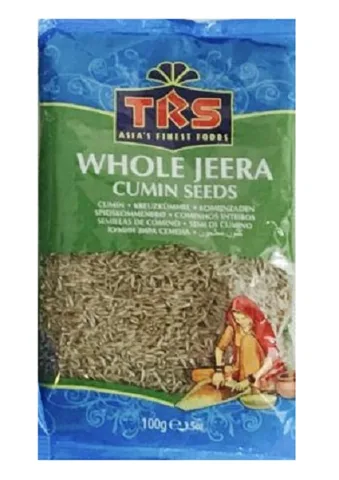
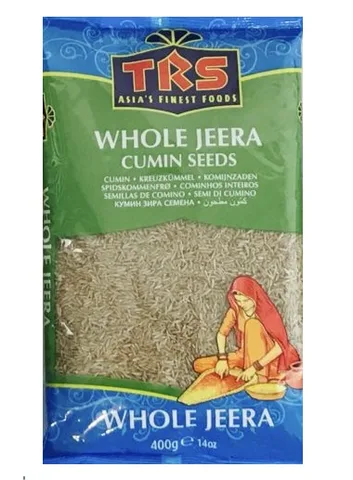
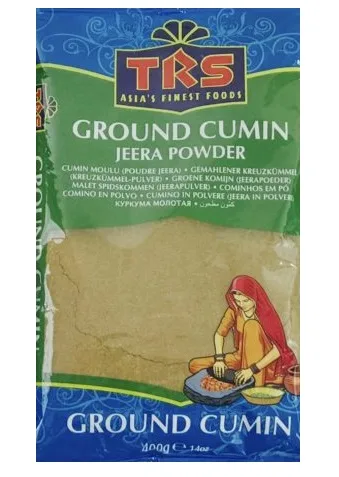
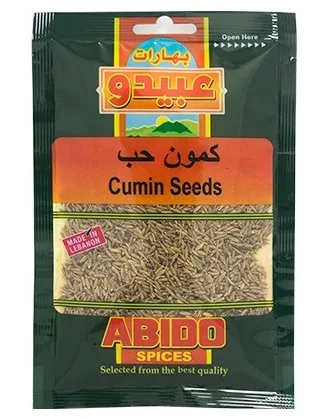
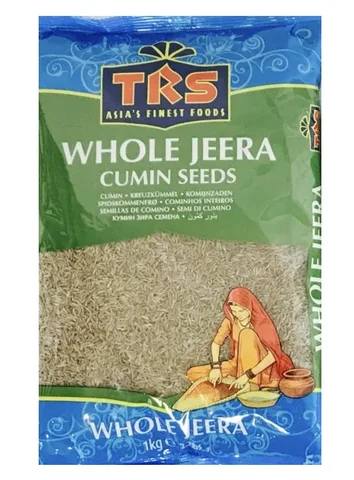
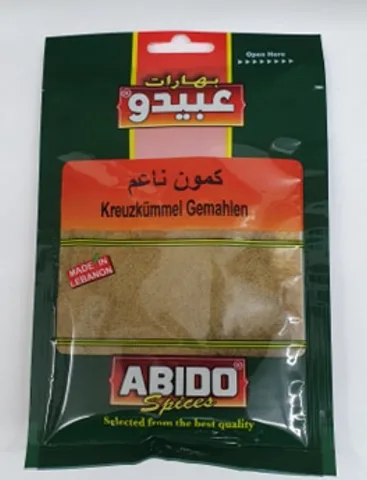
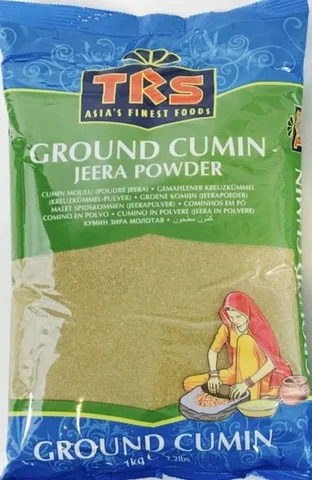
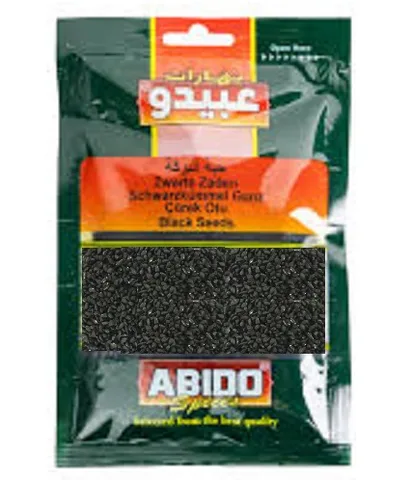
Jeera, zeera or jira all mean cumin, the warm, earthy seed behind so much Indian, Pakistani and Bangladeshi cooking. German shoppers sometimes confuse Kreuzkümmel (cumin) with Kümmel (caraway), and the two taste nothing alike, so when a German label says Kreuzkümmel, that's the one you want. We sell whole jeera and ground jeera powder from ABIDO, TRS and Pran, including 500 g jars for anyone who cooks every day.
Whole seeds sizzle in hot oil as the first step for dal, jeera aloo and jeera rice. Toasted and ground, cumin is stirred into raita, lassi and chaat. The powder sits in every masala dabba next to haldi and chilli powder.
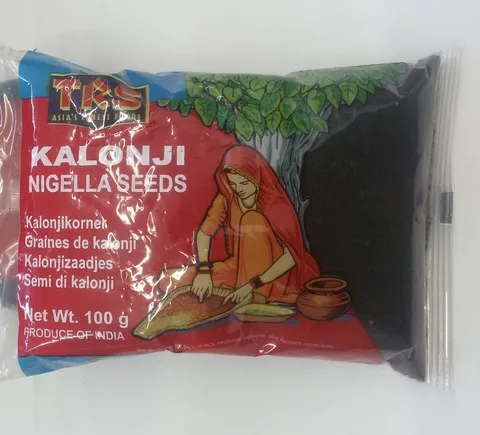
A quick note on names: kalonji (nigella) is sometimes sold as "black cumin" but comes from a completely different plant. You'll find it, along with other seeds, among our whole spices.
Roasted cumin powder in five minutes
Tip 3 tbsp whole cumin into a dry frying pan and toast over a medium heat, stirring, for 2–3 minutes until the seeds darken a shade and smell deeply aromatic. Let them cool briefly, grind in a mortar or an old coffee grinder and keep the powder in a small jar.
- Half a teaspoon with a pinch of salt turns plain yoghurt into raita.
- For jeera rice, fry 1 tsp of whole seeds in ghee before adding soaked basmati.
- When tempering, the seeds should sizzle but never turn black, or they'll taste bitter.
Cumin pairs beautifully with garam masala and a handful of fresh coriander.
Frequently asked questions
Is jeera the same as caraway?
No. Jeera is cumin; caraway is a different seed that Germans call Kümmel. They look alike but taste different: cumin is warm and earthy, caraway sweeter with an aniseed note. Indian and Pakistani recipes almost always mean cumin.
Should I buy whole or ground cumin?
Ideally both. Whole jeera is for tempering, jeera rice and vegetable dishes, while the powder goes into marinades, curries and raita. Whole seeds keep their aroma longer, so many cooks buy the ground version in smaller amounts.
How much cumin goes into dal?
For roughly 200 g of lentils, one teaspoon of whole jeera in the tadka is plenty. If you like a stronger flavour, stir another half teaspoon of ground cumin straight into the simmering lentils.
Why does my jeera taste bitter?
Usually the oil was too hot or the seeds stayed in the pan too long. Cumin only needs 20–30 seconds to sizzle and release its aroma. If it turns black, start again, because the bitterness will run through the whole dish.