How to store spices
Spices rarely spoil, but they fade fast if they sit in the wrong place. This guide explains how to keep whole spices and ground masalas aromatic for longer, how to set up a masala dabba, when to roast and grind your own, and how to look after fresh coriander, curry leaves and pastes. You'll also find a simple routine for keeping pantry moths out of your chilli powder.
Why storage matters
Spices don't go off in a dramatic way, but they do fade. Their aroma lives in volatile oils, and light, heat, air and moisture slowly chase those oils away. A jar of jeera powder that has spent a year next to the cooker still looks fine, yet tastes of very little. Good storage keeps your masala tasting the way it did when you opened the packet – and means you throw away less.
The four enemies: light, heat, air and moisture
- Light: clear jars on an open shelf look lovely but bleach colour and flavour, especially in chilli powder, turmeric and dried herbs. Use tins, dark glass or a closed cupboard.
- Heat: the shelf above the hob or next to the oven is the worst spot in the kitchen. Pick a cupboard away from the cooker, dishwasher and radiator.
- Air: once a bag is open, oxygen gets to work. Decant into airtight containers, or roll the bag down tightly and seal it with a clip.
- Moisture: never shake spices straight from the jar over a steaming pot – the steam gets in and powders clump. Use a dry spoon instead.
Whole versus ground
Whole spices keep their aroma far longer than ground ones, because the oils stay locked inside the seed, pod or bark. As a rough guide to full flavour:
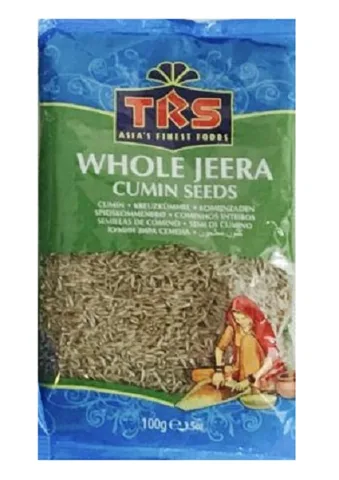
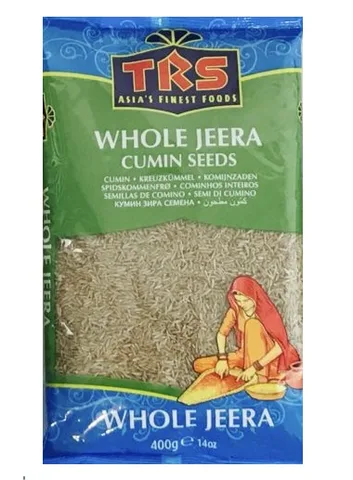
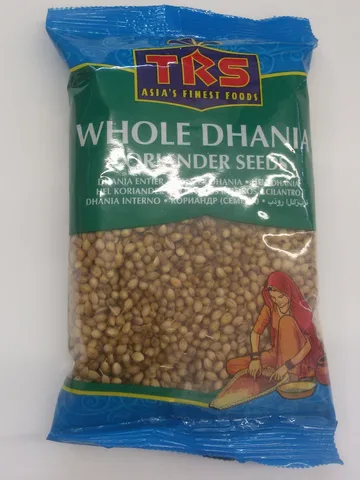
- Whole seeds and pods – jeera (cumin), coriander seeds, green cardamom (elachi), cloves, cinnamon sticks (dalchini), black peppercorns: about 1–2 years.
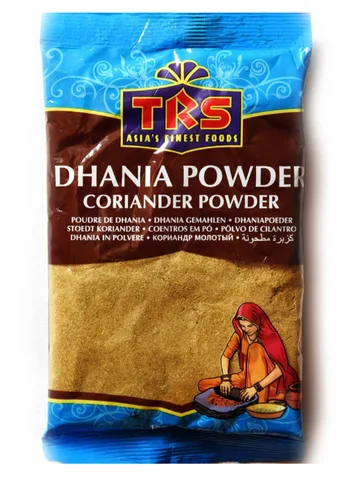
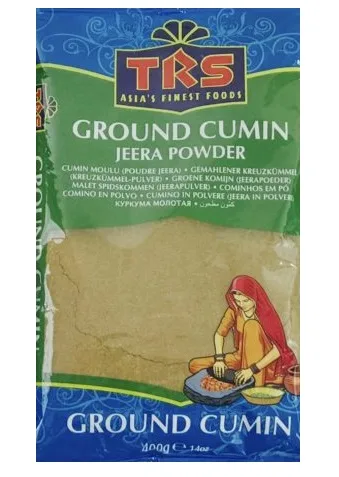
- Ground spices such as chilli powder, haldi (turmeric), dhania powder or garam masala: about 6–12 months.
- Dried leaves such as kasoori methi (fenugreek leaves), tej patta (bay leaves) and dried curry leaves: about 6–12 months.
These aren't safety limits, just the window in which spices taste their liveliest; the pack's best-before date applies as well. If you cook South Asian food several times a week, it's worth buying the daily staples – chilli, haldi, dhania and jeera – in larger packs, and the occasional ones such as star anise, ajwain or black cardamom in small packs.
Set up a masala dabba
The round steel spice box with seven small bowls is found in almost every South Asian kitchen, and for good reason. It keeps your everyday spices in one place, the lid shields them from light, and you only ever refill small amounts. A typical North Indian dabba holds:
- Jeera (cumin seeds)
- Rai (mustard seeds)
- Haldi (turmeric)
- Lal mirch (chilli powder)
- Dhania powder (ground coriander)
- Garam masala
- Salt or hing (asafoetida)
A Bengali kitchen would swap in panch phoron and kalonji; a South Indian one, urad dal and dried red chillies. Keep the main stock in airtight jars in the cupboard and top up the dabba every few weeks.
Roast and grind small batches
For the brightest flavour, buy whole spices and grind what you need for a few weeks. Dry-roast cumin or coriander seeds in a heavy pan over a medium heat for 2–3 minutes until fragrant and a shade darker. Let them cool completely, then grind them in a spice grinder or a coffee grinder kept only for spices. Freshly roasted jeera powder stirred into raita or sprinkled over chaat is a revelation. Store home-ground spices in a small airtight jar labelled with the date, and use them within a month or two.
Reviving tired spices
If a ground spice smells faint, toast it gently in a dry pan for 30–60 seconds, stirring all the time, or bloom it in hot oil or ghee at the start of cooking. That won't rescue a powder that's years old, but it gives slightly older spices a lift. Try the finger test: rub a pinch between your fingers, and if you can barely smell anything, it's time to restock.
Fresh herbs, curry leaves and pastes
Coriander and mint
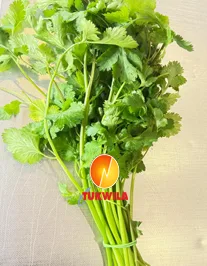
Fresh dhania and pudina wilt quickly. Take off the rubber band, wrap the bunch loosely in dry kitchen paper and keep it in a container in the fridge; it usually stays fresh for about a week. Alternatively, stand the stems in a glass of water like a bunch of flowers and cover loosely with a bag.
Curry leaves
Fresh curry leaves freeze brilliantly. Strip them from the stems, dry them well, freeze them flat in a bag and add them straight from frozen to your tadka.
Pastes and opened mixes
Ginger-garlic paste, tamarind concentrate and curry pastes belong in the fridge once opened – always use a clean, dry spoon. Fold down opened packets of biryani or curry masala, clip them shut and keep them in an airtight box. Homemade ginger-garlic paste can be frozen in ice-cube trays for handy portions.
Keeping pantry moths away
Pantry moths love chilli, paprika and flour. Check new packs before decanting, keep everything in tightly sealed containers and wipe the shelves out now and then. If you find webbing or tiny larvae, throw the affected spice away, clean the cupboard thoroughly and check the neighbouring jars.
Quick checklist
- Airtight, dark, cool and dry – well away from the cooker.
- Whole spices for long storage, ground spices in smaller packs.
- Label jars with the date you opened or ground them.
- Dry spoon, never over steam.
- Pastes in the fridge, curry leaves in the freezer.
Time to restock? You'll find whole and ground spices from jeera to elachi in our spices and masala range.
Frequently asked questions
How long do spices last?
Whole spices stay full of flavour for roughly one to two years, ground spices for about six to twelve months. After that they usually aren't spoiled, just noticeably weaker. Always check the pack's best-before date as well.
Should I keep spices in the fridge?
Not dry spices: condensation forms every time you take the jar out, and powders start to clump. A cool, dark cupboard is ideal. Only opened pastes, fresh herbs and ginger-garlic paste need to go in the fridge.
Can I freeze curry leaves?
Yes, and they freeze very well. Strip the leaves, dry them thoroughly and freeze them flat in a freezer bag. Add them straight from frozen to hot oil; they keep their aroma and colour much better than dried leaves.
Why does my chilli powder go lumpy?
Moisture is almost always the cause, usually steam from seasoning straight over the pot or a wet spoon. Take spices out with a dry spoon and close the jar straight away. Small lumps can simply be crushed with the back of a spoon.