A practical guide to Indian spices and masala blends
Jeera, haldi, elachi, garam masala – start cooking South Asian food and you soon face a shelf of packets, wondering which ones you actually need. This guide sorts it out: ten essential spices with their Hindi, Urdu, Bengali and English names, the one technique that matters most, and the blends that save you time. Browse single spices under whole spices and ready-made mixes under garam masala and friends.
The ten essentials
With these ten spices you can cook most everyday dishes from India, Pakistan and Bangladesh – dal, sabzi, chicken curry, pulao.
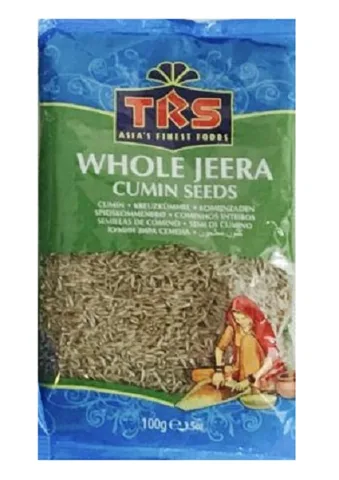
- Jeera / zeera (Hindi, Urdu), jira (Bengali) – cumin: whole for tempering and jeera rice, ground for curries and raita. Not to be confused with caraway, which Germans call Kümmel.
- Haldi / holud – turmeric: brings colour and an earthy note. Always fry it briefly in oil; raw, it tastes dusty.
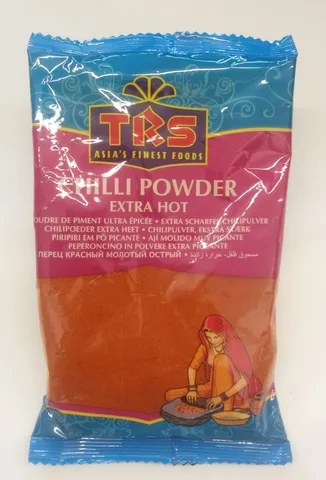
- Lal mirch / morich – chilli powder: for heat. Kashmiri chilli adds a deep red colour with only gentle heat.
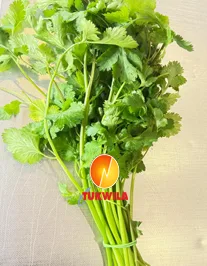
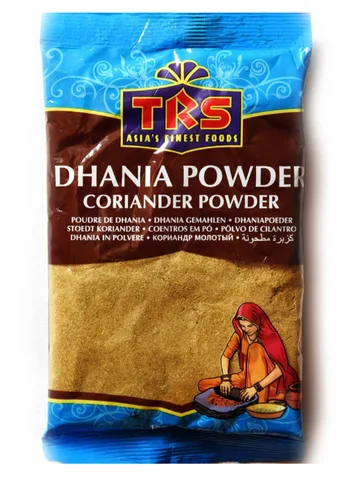
- Dhania / dhonia – coriander seed: whole or ground, mild and citrussy. The fresh leaves are a separate herb altogether.
- Elachi – green cardamom: for biryani, chai and sweets. Crack the pods lightly before they go in.
- Dalchini – cinnamon or cassia: the bark-like quills sold for curries are usually cassia, which is bolder than Ceylon cinnamon.
- Laung / lobongo – cloves: very strong; two to four are plenty for a whole pot of rice.
- Tej patta – Indian bay leaf: warmer and more cinnamon-like than the European kind.
- Rai / shorshe – mustard seed: small black or brown seeds that pop in hot oil, central to Bengali and South Indian cooking.
- Methi – fenugreek: the seeds are slightly bitter; the dried leaves (kasoori methi) smell of maple and curry.
Over time you'll add ajwain (carom), saunf (fennel), kalonji (nigella), black cardamom, star anise, amchur (dried mango powder) and hing (asafoetida).
Whole or ground?
Whole spices keep their aroma far longer and are usually fried in fat at the start of cooking. Ground spices release flavour quickly and normally go in after the onions. A good rule of thumb: buy cumin, coriander and cardamom whole, because you can grind a little fresh when needed, and buy turmeric and chilli ready-ground.
Tadka: the one technique to learn
Tadka (Hindi), baghar (Urdu) or phoron (Bengali) means briefly frying spices in hot fat so their flavour moves into the oil. Here is a tadka for four portions of dal:
- Heat 2 tbsp ghee or oil in a small pan until it shimmers.
- Add 1 tsp whole cumin. It should sizzle immediately and darken a shade within about 20 seconds.
- Add 2 chopped garlic cloves and 1–2 dried red chillies and fry for 30–40 seconds until golden.
- Take the pan off the heat, stir in ½ tsp chilli powder and pour everything over the finished dal at once.
Ground spices burn in seconds, so either pull the pan off the heat before adding them or loosen the mixture with a splash of water.
The main blends
Garam masala
A "warming" mix of cardamom, cinnamon, cloves and black pepper, plus cumin, coriander or mace depending on the region. It goes in at the end of cooking, not the beginning. A Bengali garam masala is often just elachi, dalchini and lobongo. More on our garam masala page.
Chaat masala
Tangy and salty thanks to amchur and kala namak (black salt). Sprinkle it over fruit, chickpeas, chips or pani puri.
Panch phoron
Bengal's five-seed mix of fenugreek, nigella, cumin, mustard and fennel, used whole to temper dal, vegetables and pickles. See panch phoron.
Biryani, tandoori and recipe mixes
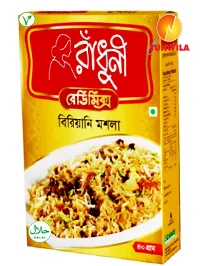
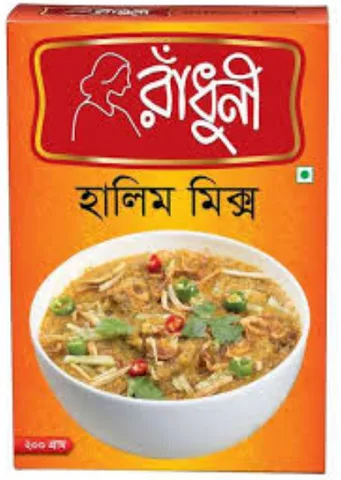
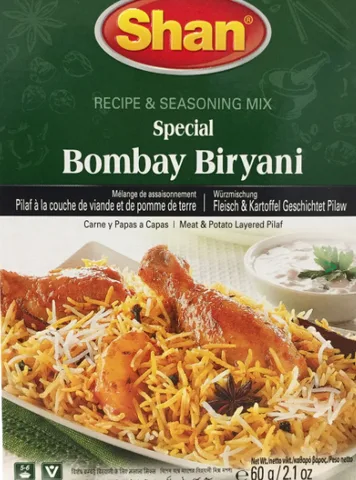
Brands such as Shan, Radhuni and MDH make blends for one specific dish: biryani, karahi, korma, tikka, tandoori, haleem. The recipe is printed on the back, and salt is usually already included. They are ideal when you're starting out or short of time. If you prefer less heat, use two-thirds of the packet first and adjust to taste.
Recipe: homemade garam masala
Makes one small jar (about 40 g):
- 10 g green cardamom pods
- 8 g cassia quills, broken into pieces
- 5 g cloves
- 8 g black peppercorns
- 6 g cumin seeds
- 2 black cardamom pods and 2 bay leaves
- Toast everything in a dry frying pan over medium heat for 2–3 minutes until fragrant, stirring constantly.
- Tip onto a plate and leave to cool completely.
- Grind finely in a spice grinder or a clean coffee grinder and sift.
- Store in a dark, airtight jar and use within about three months, after which the aroma fades noticeably.
Regional fingerprints
The same spices taste very different from region to region. Bengal and Bangladesh lean on mustard oil, panch phoron, turmeric and green chilli, often with a pinch of sugar. Punjabi cooking on both sides of the border builds on an onion and tomato base, garam masala, kasoori methi and generous ghee. Pakistani karahi and nihari use plenty of black pepper and ginger, while South Indian kitchens temper with mustard seeds, curry leaves and dried chilli and sour with tamarind. Knowing where a recipe comes from usually explains its spice list.
Your starter kit
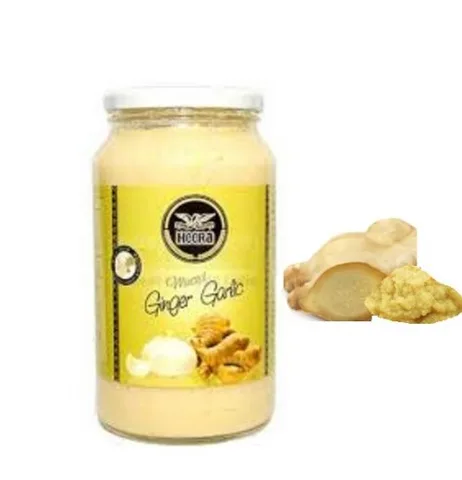
To begin with you only need whole and ground cumin, turmeric, chilli powder, ground coriander, garam masala, green cardamom, bay leaves and one recipe mix for your favourite dish. Add ginger-garlic paste and you're ready to cook. Buy smaller packs and top up more often rather than leaving big bags open for months. The full range is in our spices and masala category.
Frequently asked questions
Is cumin the same as caraway?
No. Cumin (jeera) is warm and earthy and is the signature spice of South Asian cooking. Caraway, called Kümmel in German, is what flavours rye bread and sauerkraut and tastes quite different. Recipes asking for jeera always mean cumin.
When should I add garam masala?
Towards the end. Stir it into the curry or dal during the last two to five minutes so the delicate notes of cardamom, cinnamon and cloves don't cook away. Whole spices, by contrast, go into the hot fat at the start.
Are ready-made mixes like Shan very spicy?
Many Pakistani recipe mixes are boldly seasoned and already contain salt. Start with half to two-thirds of the packet, don't add extra salt, and taste at the end. A spoonful of yoghurt or cream softens the heat nicely.
How long do ground spices stay aromatic?
Ground spices are at their most vibrant for about six months, whole spices for one to two years. Keep them airtight, dark and away from the hob. If a pinch rubbed between your fingers barely smells of anything, it's time to restock.