

Tamarind (imli)
Tamarind gives sweet-and-sour chutneys and much of South Indian cooking their fruity tang. It goes by imli in Hindi and Urdu, tetul in Bengali and demirhindi in Turkish. We stock it two… 4 Products
4 of 4 products
View

Tamarind (imli)
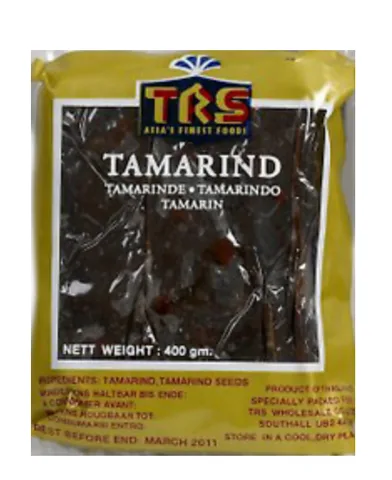
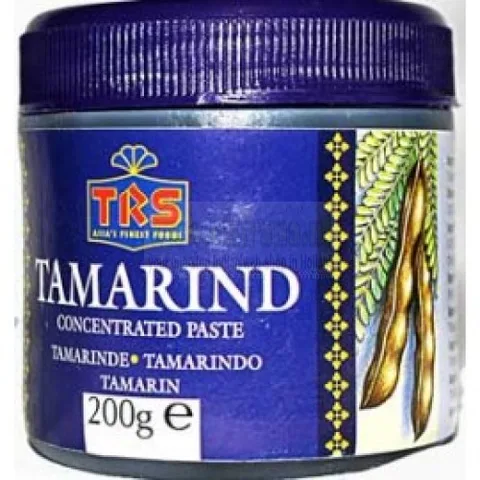
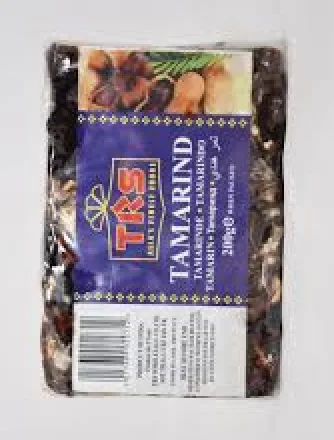
Tamarind gives sweet-and-sour chutneys and much of South Indian cooking their fruity tang. It goes by imli in Hindi and Urdu, tetul in Bengali and demirhindi in Turkish. We stock it two ways: as a pressed block, such as seedless TRS Tamarind (200 g) or the 400 g TRS/Heera block, and as a ready-to-use concentrate, the TRS/Heera Concentrate Tamarind Paste.
The block has the more rounded, traditional flavour but needs soaking and sieving. The concentrate is ready straight away and much stronger, so go easy with it. Either works for imli chutney with samosas, the spiced water for pani puri, sambar and rasam, chana chaat, or a Bengali tetul chutney sweetened with jaggery.
You'll find tamarind in our achar and pickles section, alongside plenty of other sour and spicy things, and it's a staple of our South Indian groceries too.
How to use tamarind
- Soak: break 50 g of block into pieces and steep it in 200 ml of hot water for 15–20 minutes.
- Sieve: squash it with your fingers and push it through a sieve. Fibres and any stray seeds stay behind, leaving a thick pulp.
- Dose carefully: one tablespoon of concentrate roughly equals three to four tablespoons of homemade pulp, so start small and taste.
Quick imli chutney: simmer the pulp with jaggery or brown sugar, toasted cumin, chilli powder and black salt for about 10 minutes until syrupy. It keeps for around two weeks in a jar in the fridge.
Wrap opened blocks tightly and keep them cool and dry; an opened jar of paste belongs in the fridge. A teaspoon of tamarind also adds lovely depth to chole and other chickpea curries.
Frequently asked questions
What is imli in English?
Imli is tamarind, the fruit of the tamarind tree. Cooks use the sticky, sour pulp around the seeds. It's sold as a pressed block, as a paste or concentrate and occasionally as whole pods.
Should I buy a block or paste?
If you cook with tamarind often or make chutneys, the block is worth it for its fuller flavour and because you control the thickness. Paste is ideal when you're short of time, such as a weeknight sambar or a dash in dal.
How long does tamarind keep?
An unopened block keeps for a long time; just go by its best-before date. Once opened and tightly wrapped, it stays good for several months somewhere cool and dry. Opened paste goes in the fridge and should be scooped with a clean spoon.
How is tamarind used in Bengali cooking?
Mostly in tetul chutney, sweet and sour with jaggery, in the tangy water for fuchka (the Bengali take on pani puri) and in some sour fish dishes. It's also essential in chotpoti, the much-loved chickpea street snack from Dhaka.