

Urad dal and whole black urad
Urad dal, often spelt urid on our packs, comes from black gram. Whole and unhulled it's jet black; skinned and split it's creamy white. Few pulses do as many jobs: whole urad is the heart… 6 Products
6 of 6 products
Urad dal and whole black urad
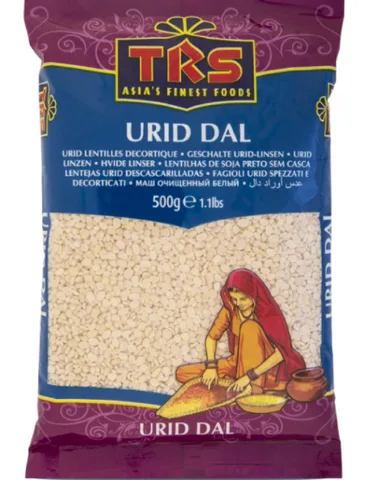
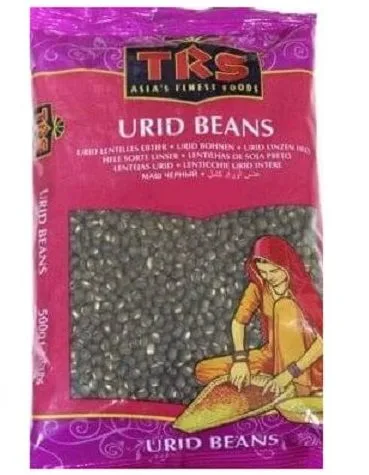
Urad dal, often spelt urid on our packs, comes from black gram. Whole and unhulled it's jet black; skinned and split it's creamy white. Few pulses do as many jobs: whole urad is the heart of Punjabi dal makhani, the split white dal is soaked and ground into the fermented batter for idli and dosa, it makes fluffy medu vada, and even papad are rolled from urad flour.
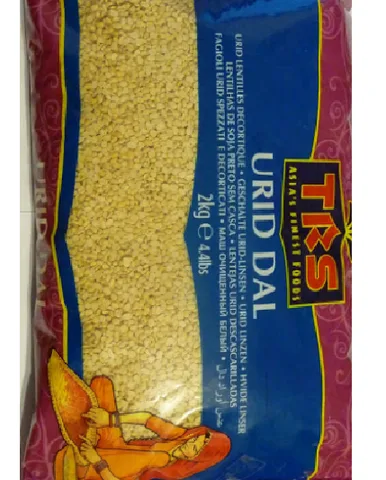
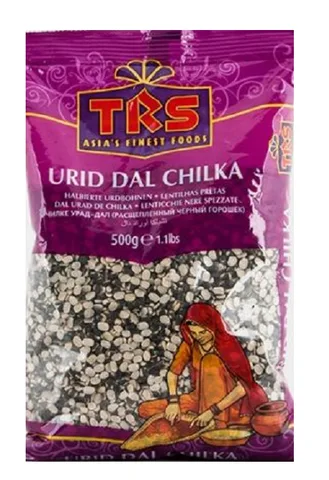
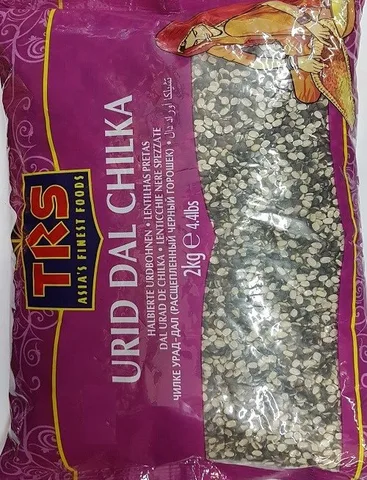
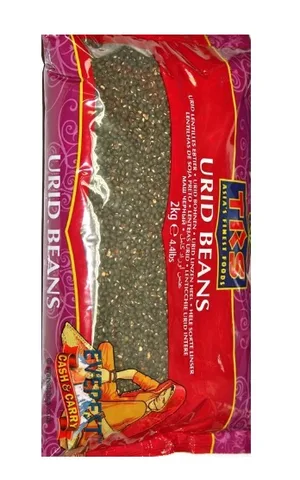
We stock hulled urid dal, urid chilka (split with skin) and whole urid beans from TRS and Heera, each in a small and a 2 kg size. In Bangladesh and West Bengal it's known as mashkalai or biulir dal and cooked thin with ginger and fennel seeds. For a proper dal makhani, combine whole black urad with a handful of kidney beans and give it time.
More South Indian basics are on our South Indian groceries page.
Three ways to use urad dal
- Dal makhani: soak 200 g of whole urad with 50 g of rajma overnight, then simmer for 60–90 minutes (25–30 minutes in a pressure cooker). Finish slowly with butter, tomato and a splash of cream.
- Idli and dosa batter: soak one part split urad and three parts rice separately for 4–6 hours, grind both finely, mix and ferment for 8–12 hours somewhere warm.
- Biulir dal: lightly roast split urad, cook for about 25 minutes and temper with fennel seeds and grated ginger.
Batter ferments slowly in a cool German kitchen; an oven with just the light on works well. For spice blends see curry masala mixes, and for idli rice browse rice and flour.
Frequently asked questions
What's the difference between urid dal, urid chilka and whole urid?
Urid dal is hulled and split, so it's white inside and out. Urid chilka is split but keeps its black skin. Whole urid is neither hulled nor split. Use the white dal for dosa, idli and vada, and the whole beans for dal makhani.
Why won't my dosa batter rise?
Usually it's too cold: the batter likes about 25–30 °C. Put it in the oven with only the light on and give it 12 hours or more. Soaking a teaspoon of fenugreek seeds with the dal is a traditional trick that helps fermentation along.
What is mashkalai dal?
Mashkalai is the Bengali name for urad dal. In Bangladesh and West Bengal it's often cooked as biulir dal: hulled, lightly roasted, kept fairly thin and flavoured with ginger and fennel. It's traditionally eaten with rice and aloo posto.
How long do whole urid beans take to cook?
After an overnight soak, allow 60–90 minutes in a pan or around 25–30 minutes in a pressure cooker. For dal makhani, keep simmering gently for another hour or so afterwards; that slow finish is what makes it rich and creamy.