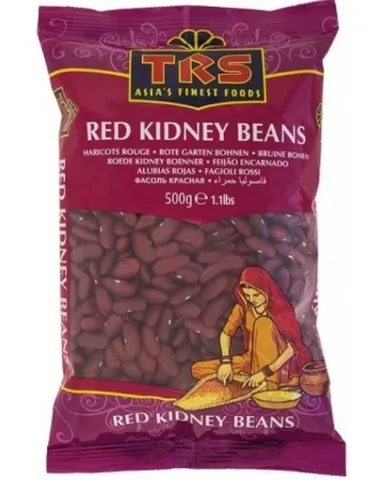
Kidney beans and black-eyed beans: choose and prepare carefully
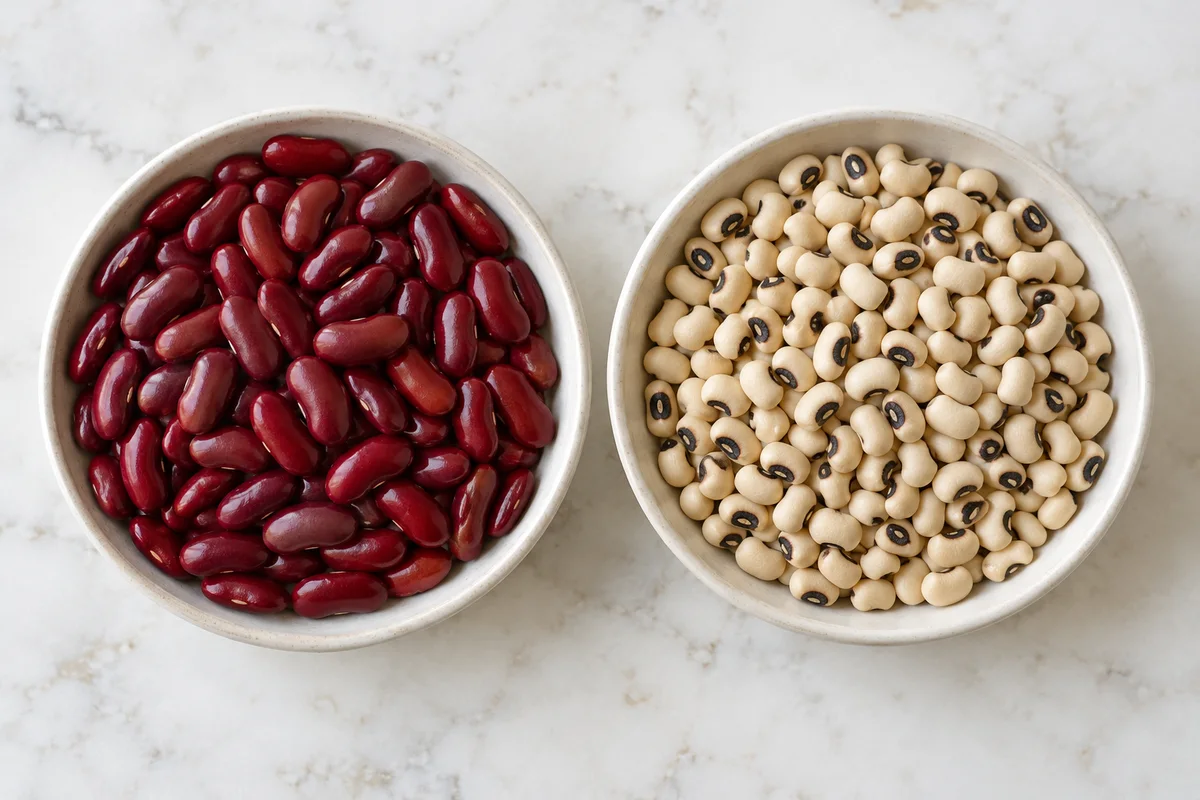
Kidney beans and black-eyed beans are different pulses. Check both identity and preparation format, and take dry-bean cooking instructions seriously.
Buy the bean the recipe names
Rajma commonly points shoppers towards kidney beans. Black-eyed beans have a contrasting dark mark and are also called cowpeas. The names are not interchangeable just because both products sit on a beans shelf.
A recipe written for canned kidney beans starts at a different stage from one written for dry beans. Before choosing the pack, check whether the recipe's quantity is dry, canned net weight or drained weight. Also check whether a canned product includes a sauce that will change the dish.
Dry beans need a proper cooking plan
Raw or insufficiently cooked beans can contain harmful lectins. EFSA's 2026 guidance recommends soaking pulses for 6–12 hours, discarding that water and boiling in fresh water at 100°C for at least 30 minutes, continuing as needed until soft for the variety. Follow the packet's instructions too. A slow cooker alone is not a substitute for the required boiling stage.
Do not transfer the timing of canned beans to dry beans, taste raw soaked beans, or rely on a gently warmed sauce to finish a dry product safely. If you cannot allow preparation time, select an appropriately processed ready-cooked product and follow its directions.
Make a useful first order
Choose one bean and one recipe rather than several large unfamiliar bags. Note the exact name and format after a successful batch. That makes reordering easier and helps avoid buying the wrong bean from a similar photograph.
For a mixed household menu, decide which portions will be served with rice and which with bread before adding accompaniments. Browse rajma and beans and dal types as separate ingredient choices. Store dry packs away from moisture, with their labels retained.
Sources and label checks
Frequently asked questions
Can I use a canned-bean recipe for dry beans?
Only after separately preparing the dry beans safely. Canned and dry quantities and cooking stages are different.