

Chinigura, kalijeera and gobindobhog rice
Ask anyone from Bangladesh what goes into a proper polao or payesh and the answer is usually chinigura: tiny, almost round grains with a sweet, buttery fragrance. Across the border in West… 7 Products
7 of 7 products
View
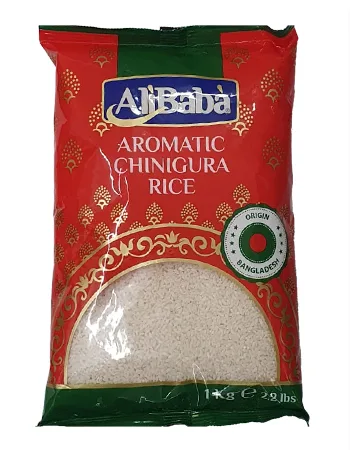
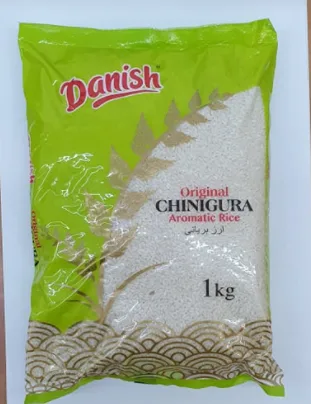
Chinigura, kalijeera and gobindobhog rice
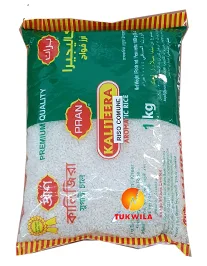
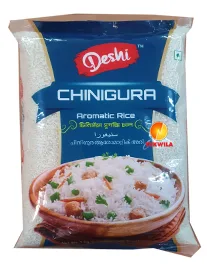
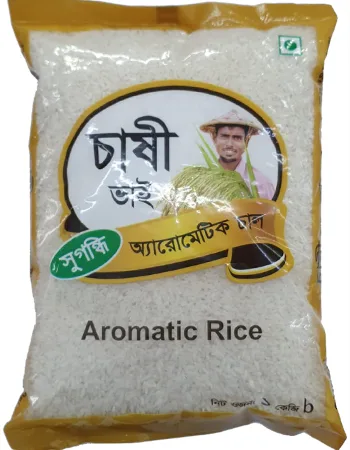
Ask anyone from Bangladesh what goes into a proper polao or payesh and the answer is usually chinigura: tiny, almost round grains with a sweet, buttery fragrance. Across the border in West Bengal a close relative is sold as gobindobhog, and many people simply call it kalijeera rice because the grains resemble little spice seeds. We stock chinigura from Pran, Danish, Ifad and other Bangladeshi brands in 1 kg bags, plus 5 kg sacks if you cook for a crowd.
Unlike basmati, which grows long and separate, chinigura stays short, tender and slightly sticky. That texture is exactly what you want for morog polao, a comforting khichuri on a rainy evening, or payesh and kheer simmered slowly with milk, bay leaf and cardamom.
Browse the full range in rice and flour; Bengali staples to go with it are collected on our Bengali groceries page.
Cooking tips for chinigura and gobindobhog
These small grains are delicate, so treat them gently. Rinse two or three times in cold water without rubbing hard, then drain well before cooking.
- Polao: fry the drained rice briefly in ghee with a cinnamon stick, cardamom pods and a bay leaf, then add hot water or stock at about 1.5 cups per cup of rice. Cover and cook on low for 15 minutes.
- Payesh: allow roughly 50 g of rice per litre of whole milk and simmer for 40–50 minutes, stirring often, until thick and creamy. Sweeten at the end.
- Khichuri: combine with roasted moong dal in equal parts.
Keep opened bags in a screw-top jar, as the fragrance fades quickly in open air. A little ghee brings it back on the plate.
Frequently asked questions
Is chinigura the same as gobindobhog?
Very nearly. Both are small-grained aromatic rices from Bengal: chinigura usually comes from Bangladesh, gobindobhog from West Bengal. They behave almost identically in the pot, so you can swap one for the other in polao, payesh or khichuri.
Can I use chinigura instead of basmati for biryani?
Yes, and in Bangladesh many cooks do: Dhaka-style kacchi biryani is often made with chinigura. You'll get shorter, softer grains and a stronger fragrance. If you want the long, separate grains of a Hyderabadi or Karachi biryani, stick with basmati.
How much chinigura do I need per person?
As a side, allow about 70–80 g of uncooked rice per person; for polao served as a main, closer to 100 g. Payesh needs very little: around 50 g of rice per litre of milk makes four to six small bowls.
Why is it also called kalijeera rice?
The name refers to the shape: the tiny, slender grains look like spice seeds, jeera in Bengali. That's why many packs list chinigura, kalijeera and gobindobhog side by side, even though the varieties come from slightly different parts of Bengal.