Biryani basics: how to make a proper biryani at home
A biryani is not simply rice with meat: it is a layered dish, with spiced meat underneath, fragrant rice on top and everything finished slowly under a sealed lid. With a decent biryani masala, long-grain basmati and a little patience, you can make one in any ordinary kitchen. Here is a reliable chicken biryani, plus a quick tour of the main regional styles.
Pakki or kacchi: the two basic methods
In a pakki biryani ("cooked"), the meat is first simmered into a thick curry, then layered with par-boiled rice and finished briefly on dum. It is forgiving and the ideal place to start. In a kacchi biryani ("raw"), raw marinated meat – usually mutton or goat – goes straight into the pot under lightly boiled rice, and the two cook together for 50–60 minutes. That is how Hyderabad and Dhaka do it, and it takes some practice to judge the heat.
Chicken biryani for 4–5 people
Ingredients
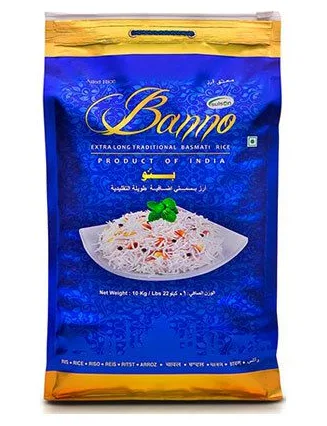
- 500 g basmati rice (extra-long or sella), soaked for 30 minutes
- 1 kg bone-in chicken, curry cut – our halal chicken is cut to order
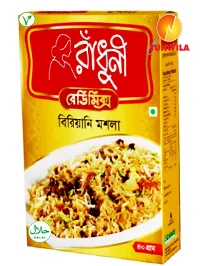
- ½ to 1 packet of biryani masala (50–60 g, depending on how hot you like it)
- 250 g plain yoghurt
- 3 medium onions, thinly sliced (or 100 g ready-fried onions)
- 2 tbsp ginger-garlic paste
- 2 tomatoes, 4 green chillies, a handful each of mint and coriander
- 100 ml oil and 2 tbsp ghee
- For the rice water: 3 litres water, 2 tbsp salt, 4 green cardamom pods, 4 cloves, 1 bay leaf, 1 cinnamon stick, 1 tsp cumin seeds
- To finish: a pinch of saffron soaked in 3 tbsp warm milk (or a few drops of food colouring) and 1 tsp kewra water
Method
- Brown the onions. Fry them in the oil over a medium heat for 12–15 minutes until deep golden, then lift out half. These give the biryani its sweetness and colour.
- Marinate. Mix the chicken with the yoghurt, masala, ginger-garlic paste and half the herbs. Leave for at least an hour, or overnight in the fridge.
- Cook the curry. Add the chicken and marinade to the onions left in the pot, along with the tomatoes and chillies. Cover and cook for 20–25 minutes until the meat is nearly done and the sauce is thick. Too much liquid now means soggy rice later.
- Par-boil the rice. Bring the water to a rolling boil with the salt and whole spices, add the drained rice and boil for 5–6 minutes. It is ready when a grain squashes between your fingers but still has a firm core – about 70 per cent cooked. Drain straight away.
- Layer. Spread half the rice over the curry, scatter over the reserved onions and remaining herbs, then add the rest of the rice. Drizzle the saffron milk in stripes and dot with ghee and kewra water.
- Dum. Seal the pot with foil and the lid. Give it 3 minutes on a high heat, then 20–25 minutes on the lowest setting, ideally with a flat pan or tawa underneath to stop the bottom catching.
- Rest. Leave it closed for 10 minutes, then serve by lifting portions from the side with a flat spoon. Don't stir.
How much per person?
Allow 100–125 g of uncooked rice and 200–250 g of bone-in meat per person. For a party of 20 you'll need roughly 2.5 kg of rice and 5 kg of meat, which is far easier to manage in two large pots than in one.
The main regional styles
Sindhi biryani
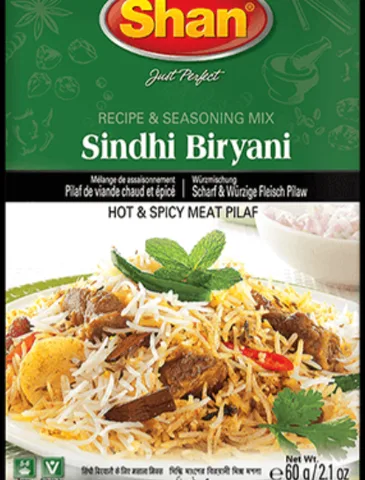
Hot and tangy, with tomatoes, potatoes, green chillies and dried plums (alubukhara). A staple across Karachi and the rest of Pakistan.
Bombay biryani
A close cousin of Sindhi, a little milder and sweet-sour, again with potatoes and plums.
Kolkata biryani
Gently spiced, with big chunks of potato, a boiled egg, and kewra and rose water. Fragrance matters more than heat here.
Dhaka kacchi biryani
Bangladesh's celebration biryani: goat (khashi), potatoes, plenty of ghee and fried onions, layered raw and cooked slowly. It is traditionally served with borhani, a spiced yoghurt drink.
Hyderabadi biryani
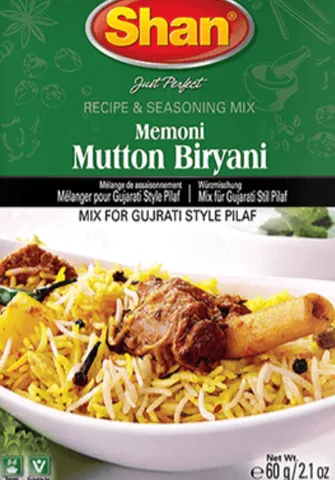
The classic kacchi biryani with mutton, mint, fried onions and saffron – rich and aromatic at the same time.
Fish, vegetable and paneer versions
The principle stays the same whatever you put in: a spiced base underneath, par-boiled rice on top, dum to finish. For a fish biryani, use a firm fish such as kingfish or rohu, marinate it for 20 minutes with turmeric, salt and a little masala, and fry the pieces briefly first so they hold together when layered; the curry then needs only 8–10 minutes. For a vegetable biryani, use about 800 g of potatoes, carrots, beans, peas and cauliflower plus 200 g of cubed paneer, simmered for 10–12 minutes in the yoghurt and masala until nearly tender. Keep the sauce thick here too.
Common mistakes
- Over-boiled rice. It keeps cooking on dum, so drain it a minute early rather than late.
- Too much gravy. The curry should be as thick as a stew, not a soup.
- Salting twice. Many ready-made masalas already contain salt. Read the packet before seasoning the meat.
- A leaky lid. Without trapped steam the top layer dries out. Foil or a rope of dough around the rim fixes this.
- Stirring too soon. Stirring breaks the long grains and muddles the layers.
Storing leftovers
Don't leave leftover biryani sitting on the hob for hours. Cool it within an hour, keep it in tubs in the fridge and eat it within a day. Reheat it covered with a splash of water until it is piping hot all the way through. Many people swear it tastes even better a day later, once the spices have had time to settle in.
Frequently asked questions
Which rice is right for biryani?
Extra-long aged basmati or sella basmati works well, because the grains stay firm and separate during dum. For Dhaka-style kacchi some families use small-grained kalijeera or chinigura instead, which gives a shorter, even more fragrant grain.
What does dum mean in biryani?
Dum means finishing the layered biryani in a tightly sealed pot over a very low heat, so it cooks in its own steam. During this stage the flavours of the meat, spices, ghee and saffron soak into the rice.
How much biryani masala do I need for 1 kg of meat?
Most packets are designed for about 1 kg of meat. If you prefer it milder, use half to two thirds of the packet. Many ready-made blends already contain salt, so taste the curry before adding any more.
Can I make biryani with goat instead of chicken?
Yes. Goat or lamb needs longer to cook, so allow 45–60 minutes of simmering rather than 20–25 before you layer. We cut fresh halal meat to order, and you can order it from us by WhatsApp.