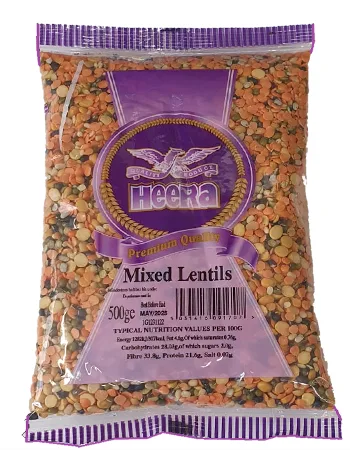
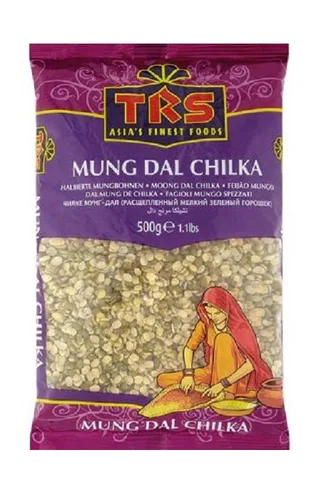
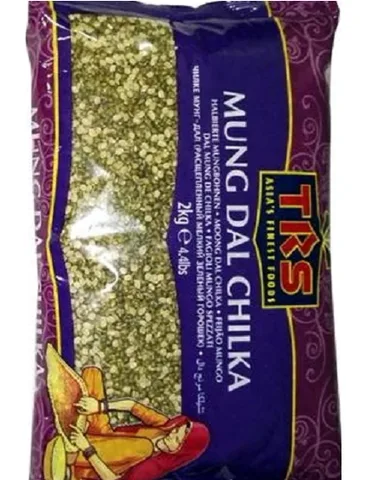
Whole, split or hulled: how to read a dal name
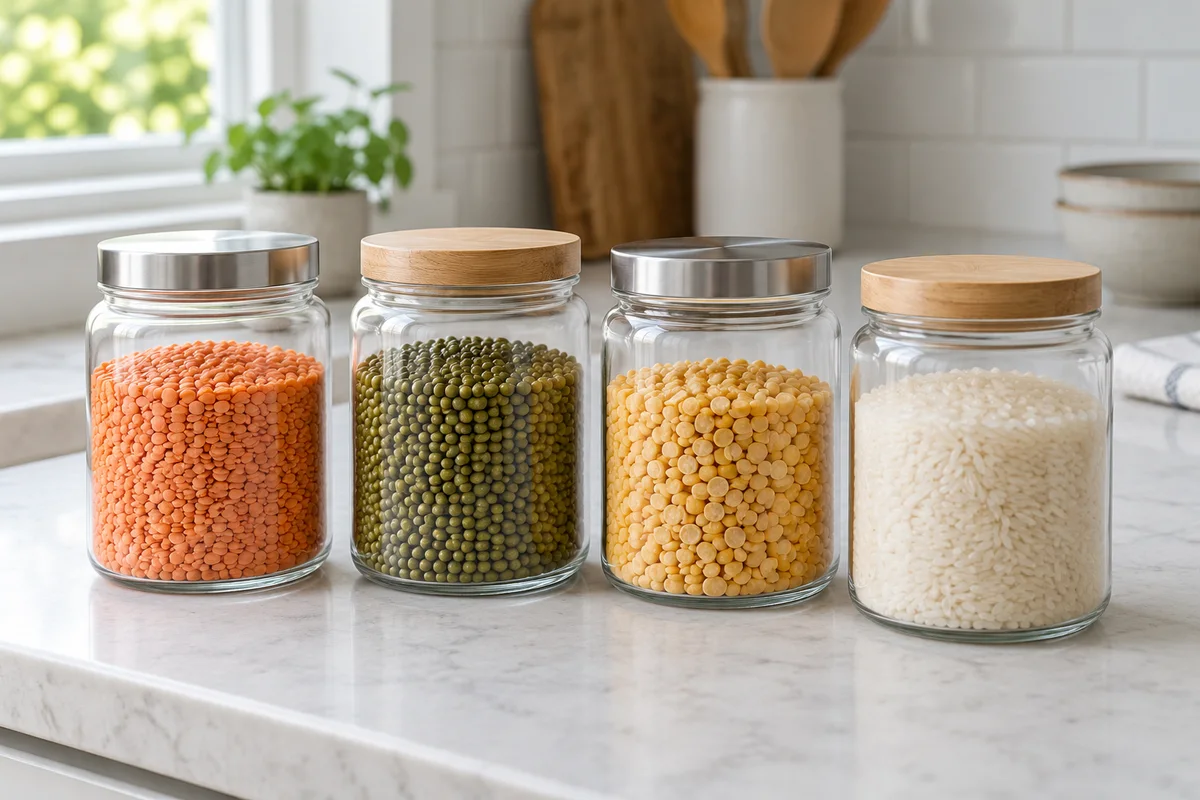
A dal name can describe the pulse, whether it is split, and whether its skin remains. Match all three details when buying for a specific recipe.
Colour is only one clue
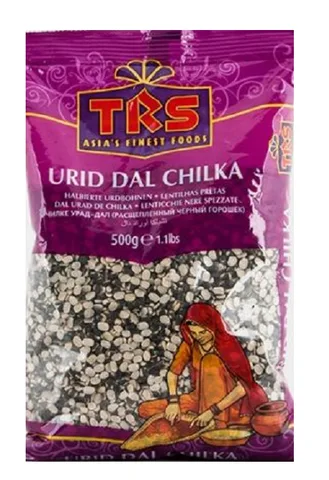
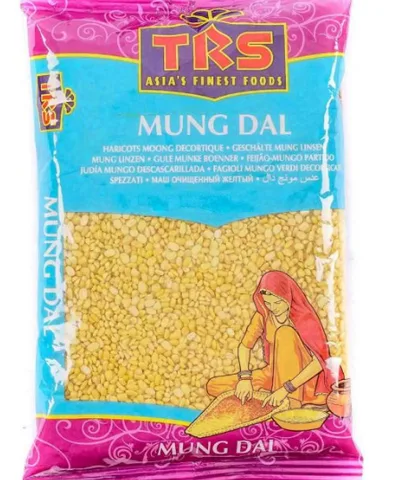
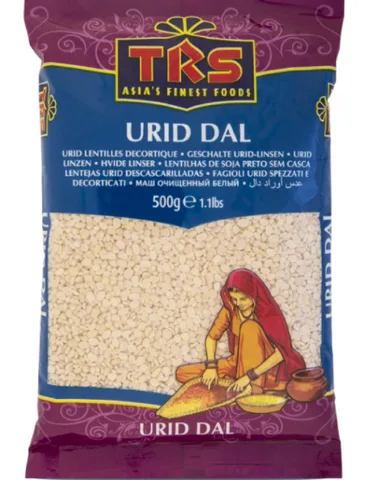
Whole, split and hulled describe different features. Whole means the pulse has not been split; hulled means the outer skin has been removed. A split product can still retain skin. Do not use the English word lentils as a shortcut for every pulse sold under a dal name.
A soup that should become smooth and a dish that should keep distinct pieces may call for different forms. Split lentils generally break down more readily, but preparation still depends on the specific pulse and packet. The familiar colour of a cooked dish is not enough to identify the bag used.
Copy the complete recipe name
Write down the pulse name plus any words for whole, split or washed/hulled. Compare that with the product's front and ingredient panel. If a recipe calls for masoor, buying chana dal because both appear under lentils changes the ingredient and the cooking plan.
- For a new recipe, buy the stated form before experimenting.
- If your usual pack is unavailable, search the pulse name without the brand filter.
- If several forms appear, check the full title and package image rather than choosing the first result.
Plan quantity and preparation together
Decide whether you are making one meal or several batches before comparing kilogram prices. Keep the preparation instructions: dry pulses need appropriate cooking, and a short simmer copied from another variety is not a reliable rule. Do not taste raw dry pulses to check their flavour.
Our dal types guide gives broader meal context. For a small shopping plan, see three meals from one dal shop. The linked masoor, moong and chana dal selections help narrow the ingredient before comparing brands.
Sources and label checks
Frequently asked questions
Does split always mean skinless?
No. Read both the splitting and hulling description on the pack.